April 27, 2026
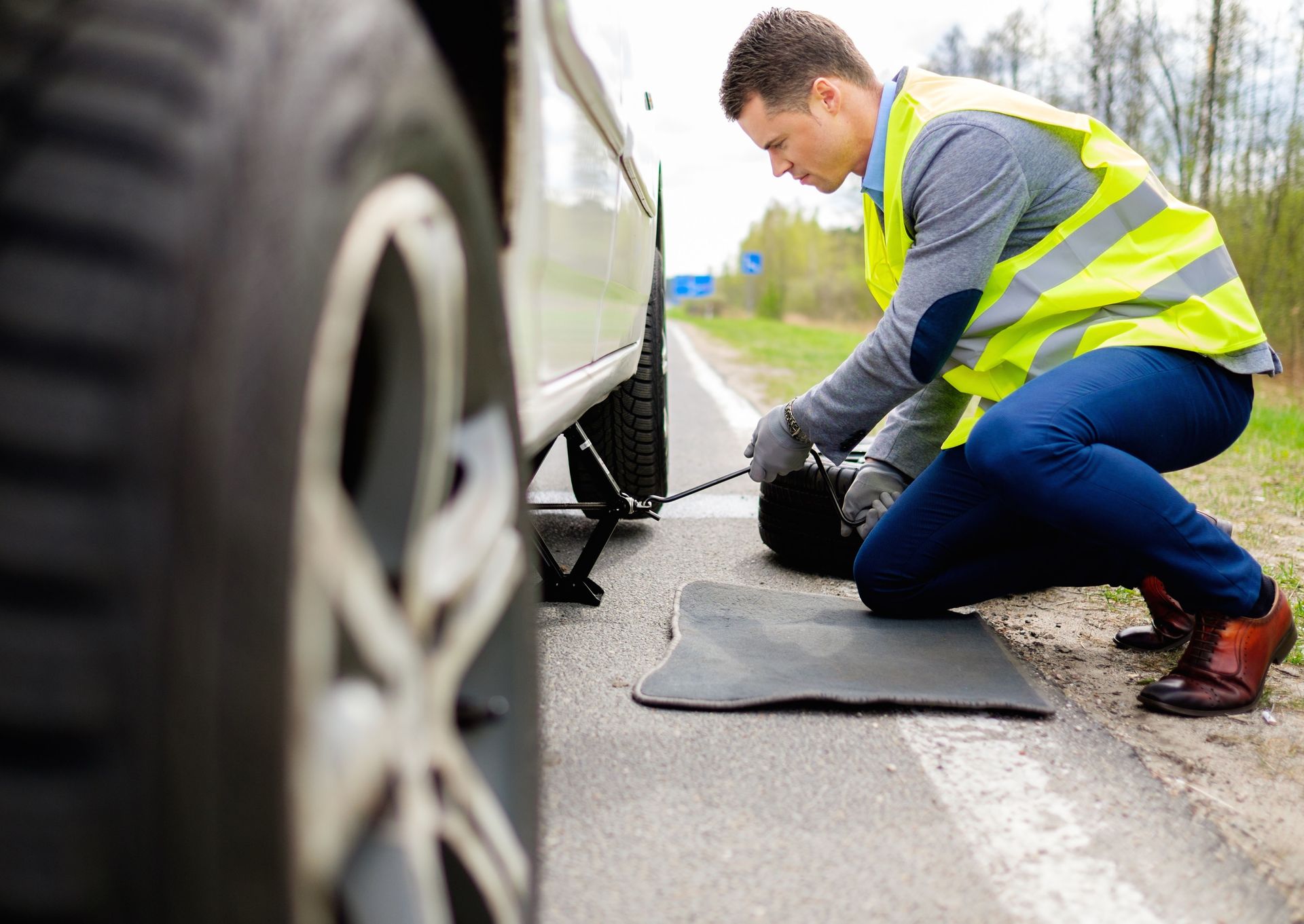
Getting stranded on the side of a busy highway is a stressful experience that requires immediate action and a calm mindset. When mechanical failures or accidents occur, your primary focus must shift toward safety and professional recovery. These essential tips will help you navigate the complexities of an unexpected vehicle breakdown efficiently. Proper preparation makes a significant difference in the outcome of your emergency towing event.
Prioritizing Your Immediate Safety
The moment you realize your vehicle is failing, you must move toward the shoulder of the road. Turn on your hazard lights immediately to alert other drivers of your situation. If you are on a high-speed interstate, try to get as far away from live traffic lanes as possible to create a buffer zone. Maintaining a wide gap between your car and the moving traffic helps reduce the risk of a side-swipe accident.
Once the vehicle is stationary, exit through the door furthest from traffic if it is safe to do so. Walking around the exterior of a stalled vehicle near moving cars is extremely dangerous. Stand behind a guardrail or on a grassy embankment while you wait for professional help to arrive. Visibility is your best defense during an emergency towing situation, so keep your lights active until help arrives. Using a flashlight or a phone screen can also help signal your presence to oncoming motorists after dark.
According to WorldMetrics, by 2025, eight out of ten roadside assistance companies had grown their operations to include round-the-clock service availability. This industry growth means that professional help is usually available regardless of the hour. Relying on these experts allows you to stay out of harm's way while specialized equipment handles the heavy lifting. Staying inside a vehicle can be risky if there is a chance of a secondary collision from distracted drivers. Moving to a higher vantage point away from the pavement is often the smartest choice for your personal protection.
Communicating Your Exact Location
Pinpointing your coordinates is the most helpful thing you can do for a recovery team. Look for mile markers, exit numbers, or unique landmarks that define your surroundings. If you are using a smartphone, use the GPS function to find your exact latitude and longitude or the nearest street address. Digital maps can provide highly specific data that clarifies your position on a long stretch of highway.
Clear communication helps the dispatcher send the right type of truck for your specific vehicle weight and size. Mention if you are near a bridge, a tunnel, or a blind curve, as these factors change how the operator approaches your car. Accurate location data reduces the wait time for emergency towing services and helps prevent the driver from passing your location. Providing the direction of travel, such as northbound or southbound, is another vital piece of information for the crew.
Always stay on the line until the dispatcher has all the necessary details about your vehicle's make and model. If you are hauling a trailer or driving a heavy-duty rig, specify those details immediately. Providing a clear description of the mechanical issue helps the technician prepare the necessary tools before they even leave the shop. Knowing the color and any identifying decals on your vehicle makes it much easier for the operator to spot you in a crowd.
Preparing Your Vehicle Documentation
Gathering your registration and insurance papers while waiting is a productive use of time. Having these documents ready speeds up the intake process once the operator arrives at the scene. It also proves ownership of the vehicle, which is a standard requirement for most reputable recovery operations. Keeping these papers in an organized folder in your glove box saves valuable minutes during a crisis.
Check your paperwork for any specific roadside coverage details that might apply to your situation. Keep your identification and phone within reach so you can easily verify your identity to the service provider. Modern emergency towing protocols often involve digital paperwork, so having your phone charged and ready is a significant advantage. Most companies will send a text confirmation containing the driver's name and estimated arrival time for your records.
Take a moment to remove any essential personal items from the cabin, such as your wallet, house keys, or medication. Once the vehicle is hooked up and ready for transport, accessing the interior might be difficult or restricted. Keeping your essential belongings with you prevents unnecessary delays once the truck is ready to depart for the repair facility. Double-check the backseat and trunk for any valuables that you would prefer to keep in your possession.
Managing Traffic Around Hazards
Setting up reflective triangles or flares can provide an extra layer of protection for you and your vehicle. Place these markers at intervals behind your car to give oncoming traffic plenty of time to merge into another lane. This proactive step is vital during nighttime breakdowns or in areas with poor visibility due to weather. Using multiple markers creates a visual path that guides other motorists away from your stalled vehicle safely.
Avoid standing in front of or behind your vehicle while waiting for emergency towing assistance. If another car strikes your stationary vehicle, you do not want to be caught in the path of the impact. Professionals are trained to manage these high-risk environments, so let them take over the scene management as soon as they pull up. Distance is your greatest ally when heavy machinery and high-speed traffic are both present at the same time.
Keep your wheels turned away from the road while parked on the shoulder. This small adjustment acts as a safety measure; if the car is hit from behind, it will roll toward the ditch rather than into traffic. Maintaining a safe distance from the roadway is the most effective way to prevent injuries during a roadside crisis. This simple mechanical precaution adds an extra layer of security for everyone involved in the recovery process.
Following Professional Recovery Protocols
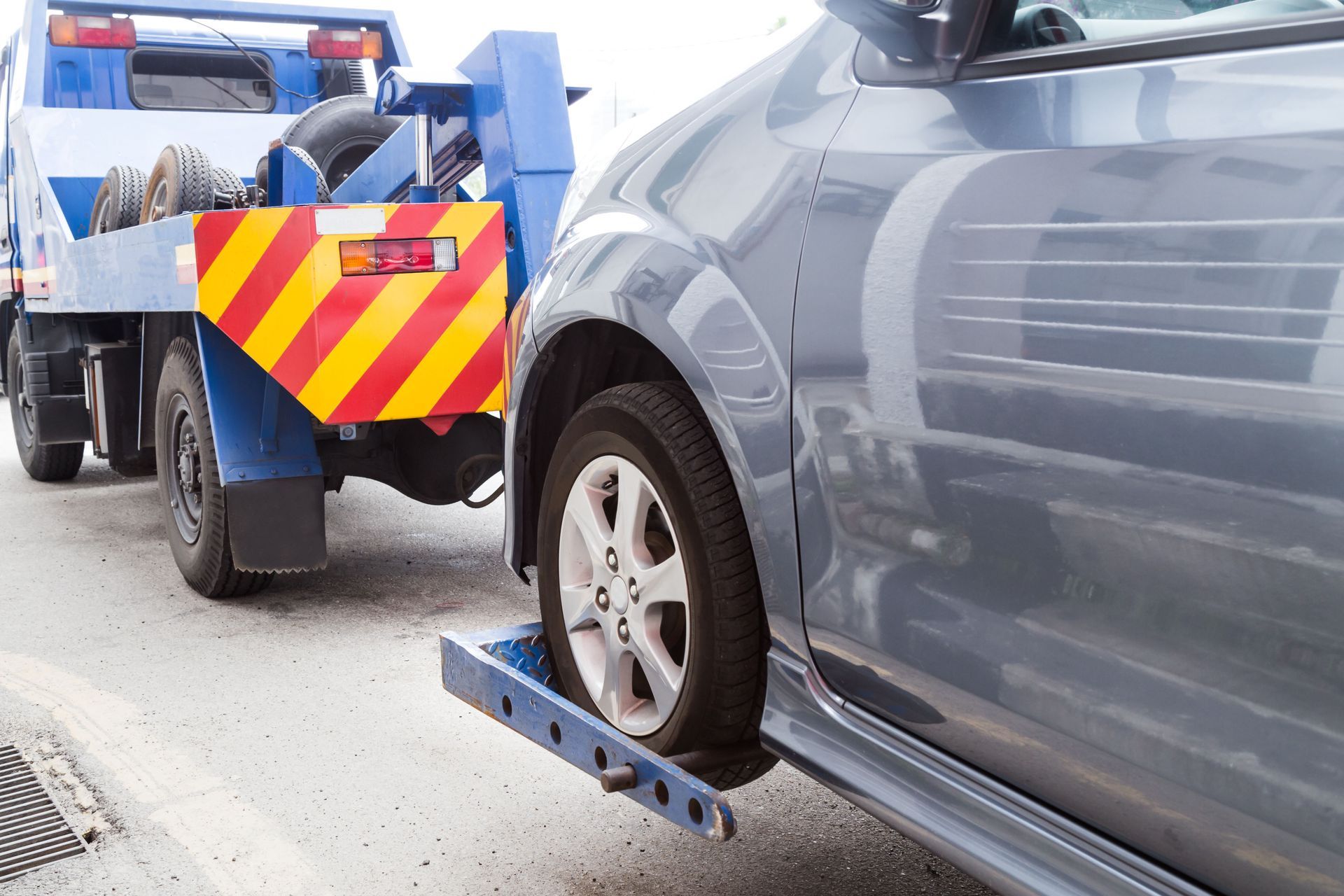
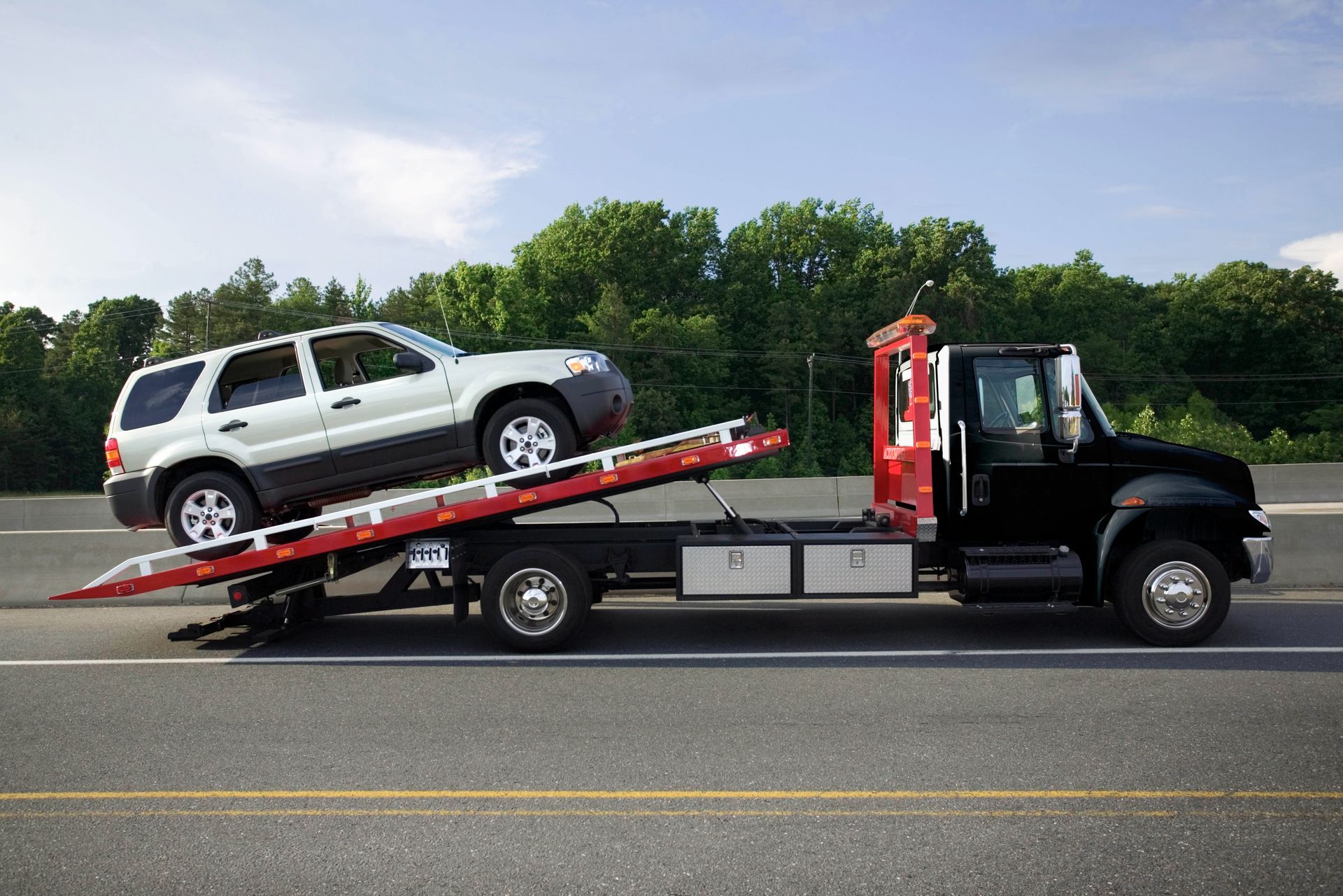
Listen carefully to the instructions provided by the recovery expert when they arrive. They have the experience to handle heavy machinery and understand the physics of winching and lifting. Following their guidance helps the emergency towing process go smoothly without causing further damage to the vehicle frame or suspension. Their expertise allows for a controlled transition from the ground to the flatbed or tow-bar.
Stay in the designated safety zone while the technician works on the hookup. It can be tempting to watch the process closely, but heavy chains and hydraulic lifts require a clear perimeter to operate safely. Trust the expertise of the service provider to secure the vehicle correctly for the duration of the trip. Stepping back allows the operator to focus entirely on the technical aspects of the recovery without distraction.
Confirm the destination address with the driver before they leave the site. Whether the vehicle is going to a specialized repair shop or a secure holding yard, clear directions prevent confusion later. A professional emergency towing service will provide you with a receipt or digital confirmation that includes the truck number and the final drop-off location. Knowing exactly where your vehicle is headed provides peace of mind as you arrange for your own transportation.
Professional roadside support is a vital resource for any driver facing a mechanical crisis on the road. By following these safety and communication protocols, you can turn a dangerous situation into a manageable one. Always prioritize personal safety and expert assistance to get your vehicle back on track as quickly as possible. For expert support during any roadside crisis, contact the team at McCool Semi Repair & Roadside Services to get back on the road safely.