October 30, 2026
Reliable towing services serve as an indispensable safety net across modern transportation networks. Whether operating a personal passenger car, managing a delivery van, or piloting a commercial semi-truck, vehicular travel carries unavoidable mechanical and environmental risks. Unexpected equipment failures, structural collision damage, and severe weather can strike without warning, leaving motorists stranded in hazardous positions. In these high-stakes moments, knowing when to contact professional towing services protects drivers from oncoming traffic, mitigates costly vehicle damage, and restores order on busy thoroughfares.
Modern vehicles are sophisticated machines requiring specialized diagnostic equipment, certified operators, and heavy-duty recovery tools when breakdowns occur. Forcing a mechanically compromised vehicle to continue driving often transforms a minor repair into an irreparable catastrophe. Furthermore, remaining stranded on a highway shoulder poses an immediate danger to motorists and cargo. Understanding the critical scenarios that demand professional towing services empowers drivers to respond decisively. Here are ten critical situations where professional roadside recovery is your safest, most efficient option.
Experiencing Catastrophic Engine Failures
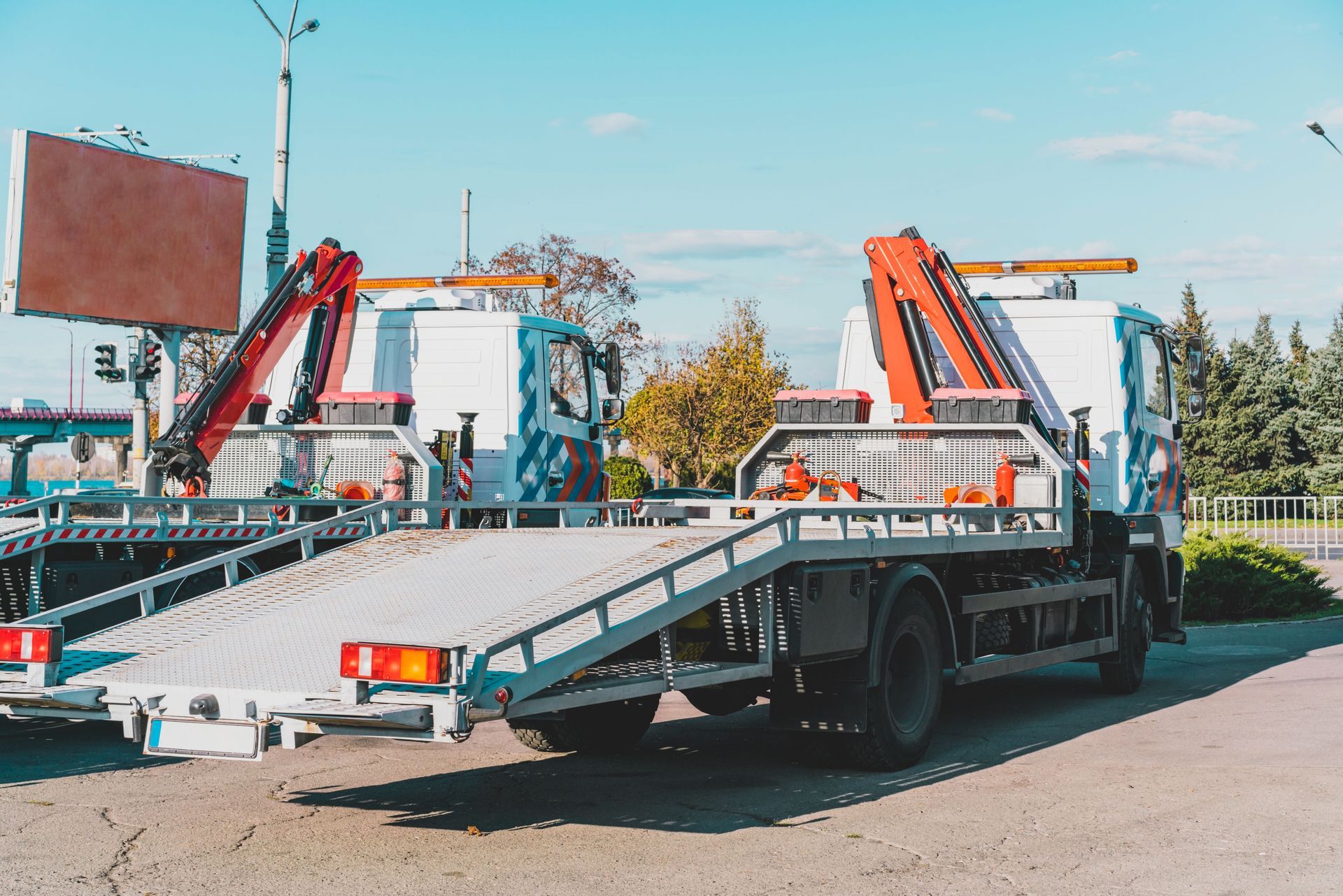
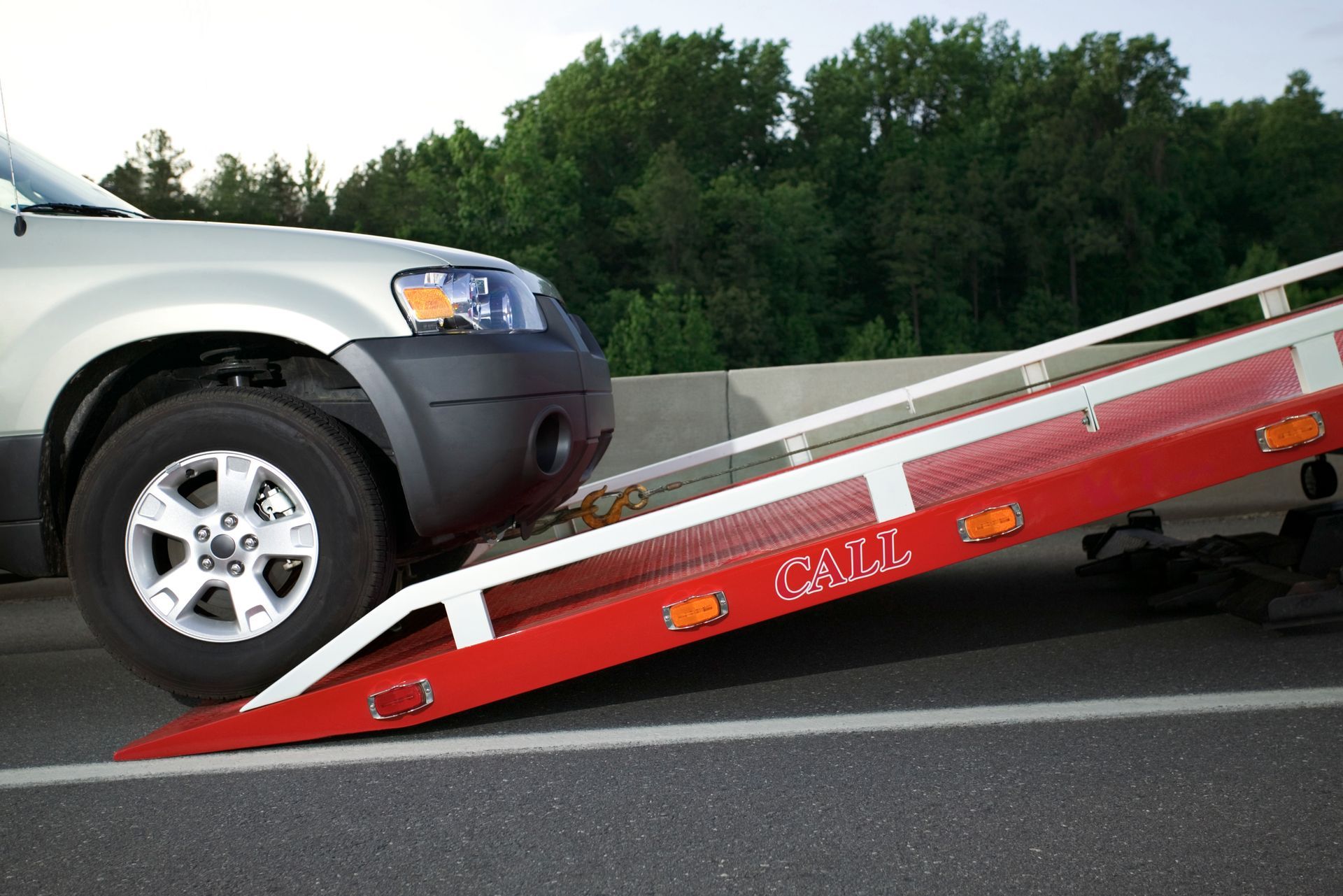
Engine breakdowns are among the most frequent reasons motorists require emergency vehicle recovery. Modern powerplants endure intense thermal stress and mechanical friction, relying on complex lubrication, cooling, and timing assemblies. When a vital component fails—such as a blown head gasket, failed water pump, or snapped timing belt—the engine can seize instantly. Attempting to restart or force an overheating motor causes severe internal scoring and warps cylinder heads. Furthermore, an abrupt engine shutdown disables power steering and brakes in moving traffic. Calling professional transport guarantees the vehicle is loaded securely onto a flatbed and delivered safely to a certified mechanic without compounding damage.
Facing Severe Transmission Breakdowns
A failing transmission leaves vehicles completely immobilized by severing the transfer of power from the engine to the drive wheels. Transmissions endure massive rotational torque, making them vulnerable to slipping bands, burnt clutch plates, and sudden hydraulic pressure losses. Warning signs typically include delayed gear engagement, harsh grinding noises, slipping gears, and scorched fluid odors. Attempting to force a damaged transmission to drive risks cracking internal planetary gearsets and destroying the casing. Qualified towing services utilize specialized wheel-lift systems and dollies to transport disabled vehicles properly, protecting the drivetrain from unlubricated rotational friction during transit to a repair facility.
Managing Dangerous Brake Malfunctions
Braking systems are the most vital safety feature on any vehicle, and any reduction in stopping power demands immediate roadside removal. Hydraulic line ruptures, seized calipers, worn brake pads, and ABS module failures can compromise stopping distances or eliminate braking entirely. For commercial trucks, air compressor failures or pneumatic line leaks can trigger sudden spring-brake lockups or hazardous runaway conditions. Operating any vehicle with compromised brakes is dangerous and illegal. Securing prompt heavy-duty transport removes compromised vehicles from traffic immediately, preventing catastrophic collisions and ensuring safe transit directly to qualified service bays.
Clearing Traumatic Vehicle Collisions
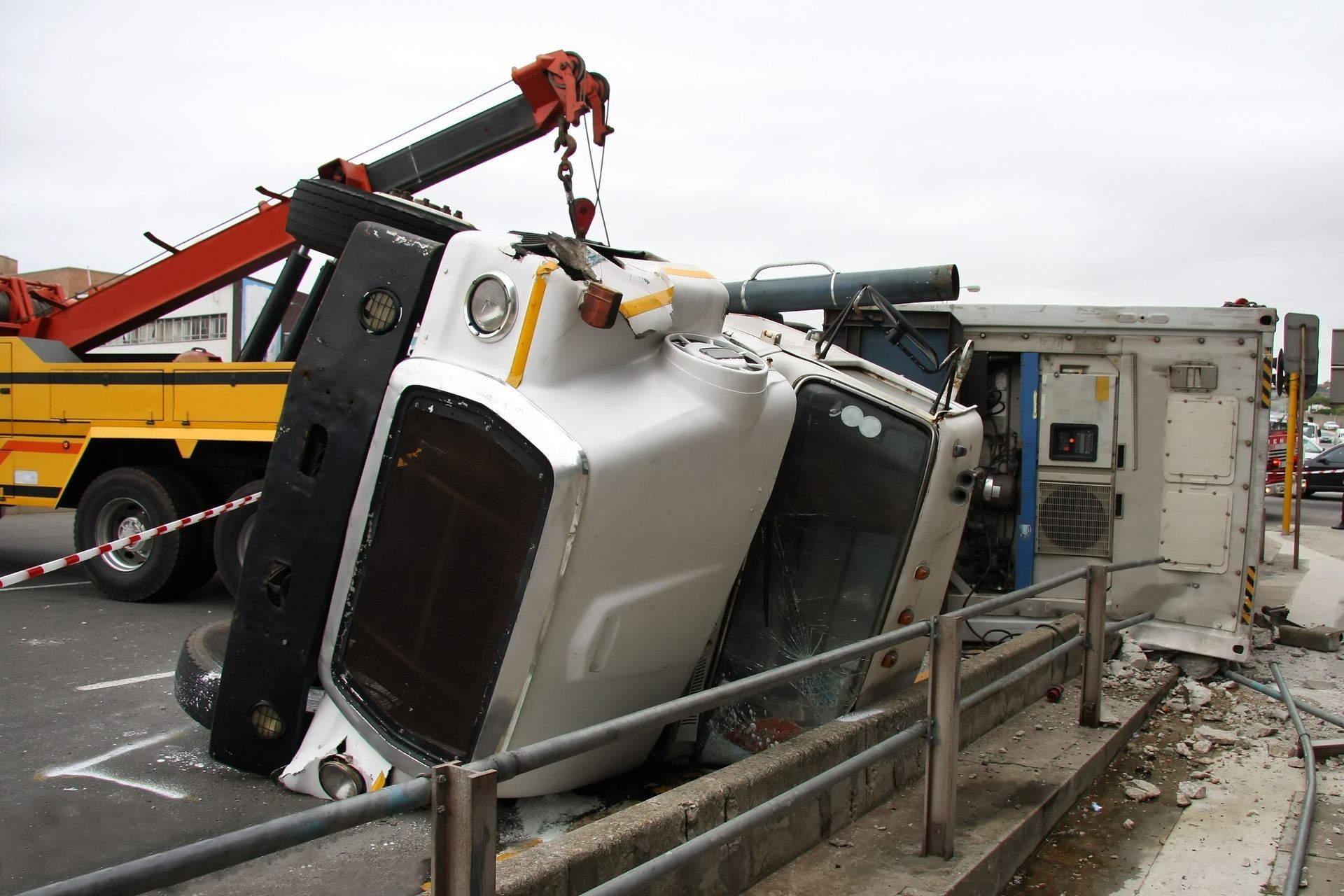
Motor vehicle accidents are chaotic events that frequently leave vehicles structurally compromised and incapable of safe operation. Even minor collisions often bend control arms, crack radiators, puncture oil pans, or force crumpled fenders directly into tires. Driving away from an accident scene risks sudden suspension failure or steering lockup. Professional towing services provide essential clearing operations by removing damaged cars and heavy trucks from active lanes. In major rollover crashes, recovery teams utilize heavy-duty wreckers, rotator cranes, and specialized rigging to upright overturned equipment, clear highway debris, and restore safe traffic flow.
Resolving Sudden Tire Blowouts
Tire blowouts and sudden pressure losses represent urgent roadside emergencies that leave vehicles stranded in perilous highway positions. Extreme summer road heat, structural tread separation, and road debris can cause catastrophic tire decompression at high speeds. Changing a heavy commercial dual or passenger tire on a narrow shoulder exposes drivers to passing traffic. Commercial carriers face strict federal safety standards regarding tire maintenance. According to FMCSA, 325,741 commercial vehicle inspections involved a tire-flat and/or audible air-leak violation. Calling professional recovery ensures punctured tires and ruptured pneumatic lines are resolved safely with specialized tools, keeping drivers compliant and protected.
Handling Inconvenient Roadside Lockouts
Running out of fuel or accidentally locking keys inside a vehicle are aggravating disruptions that occur every day. In remote rural areas or during heavy urban rush hours, walking to the nearest filling station is often dangerous or impractical. Walking along interstate shoulders carrying fuel cans exposes drivers to severe roadside hazards. Prompt roadside providers eliminate this danger by delivering fuel directly on-site. Similarly, accidental lockouts leave motorists stranded outside their cabins in extreme weather. Rather than risking shattered door glass or bent window frames using makeshift tools, drivers can rely on recovery technicians equipped with specialized lockout tools to regain safe access.
Extracting Immobilized Ditched Vehicles
Inclement road conditions, muddy shoulders, and slick detours frequently cause vehicles to slide off the road and become helplessly immobilized. In construction areas or unpaved staging yards, deep mud and loose sand can submerge axles, completely eliminating traction. Attempting to spin wheels out of mud only digs tires deeper, while overheating transmissions and damaging differential gears. In winter, black ice and deep snowbanks drag passenger cars and heavy tractor-trailers into steep ditches. Skilled recovery operators utilize industrial winches, synthetic rigging, and calculated pull angles to extract trapped vehicles smoothly without causing structural frame damage.
Removing Obstructive Parked Vehicles
Unattended, abandoned, and illegally parked vehicles create serious obstacles for commercial property managers, municipal authorities, and logistics depots. Unauthorized vehicles parked in designated loading bays, reserved spaces, and fire lanes obstruct workflows, block delivery trucks, and create hazardous blind spots. Furthermore, abandoned cars clutter roadways and violate municipal parking codes. Commercial properties and local authorities rely on professional towing services to remove unauthorized vehicles efficiently and legally. Modern recovery operators utilize low-clearance wheel-lift trucks to navigate tight parking structures without damaging vehicle drivetrains, restoring order and maintaining accessible parking facilities for visitors.
Navigating Remote Highway Breakdowns
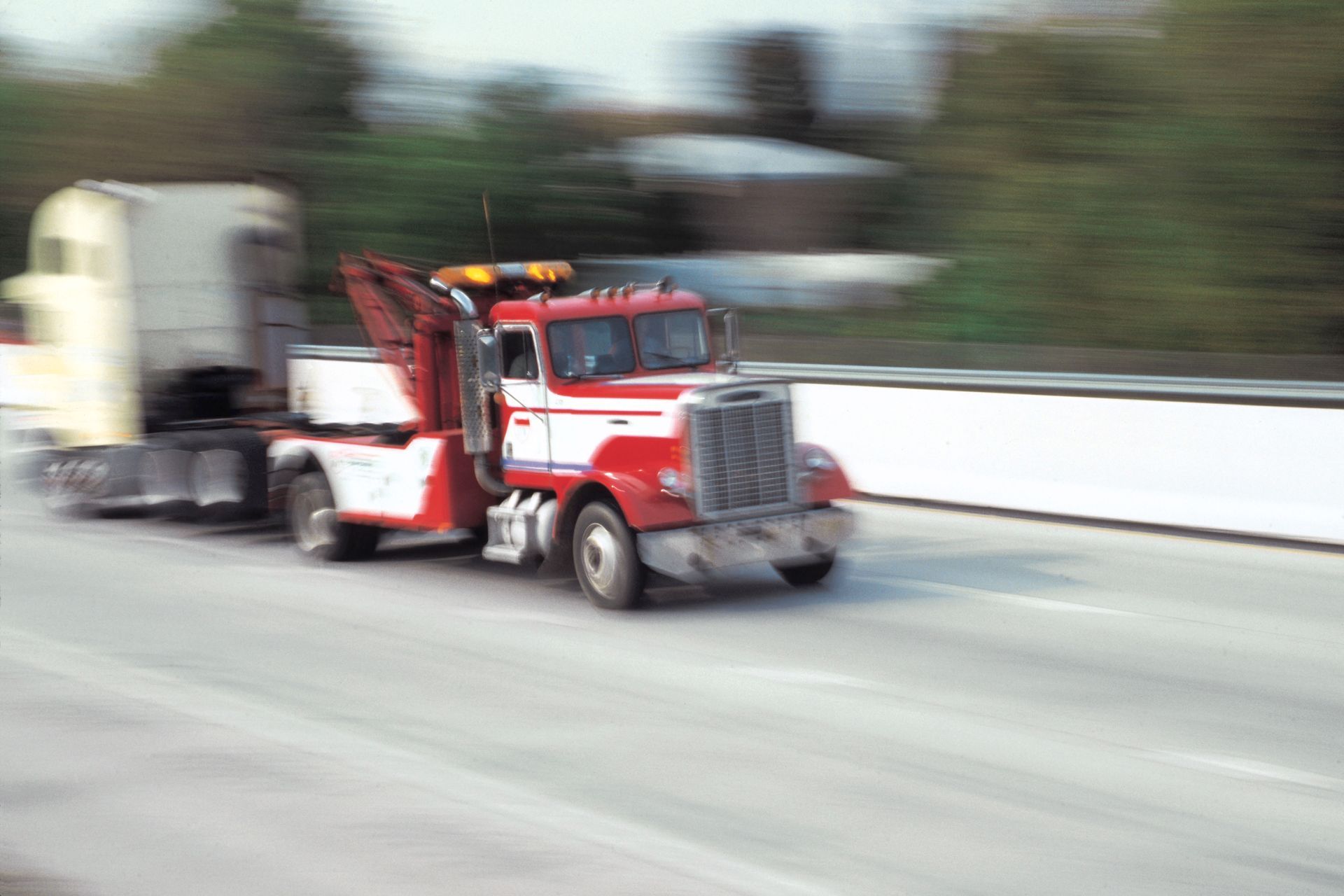
Long-distance travel across remote corridors presents unique challenges when severe mechanical breakdowns occur far from home. Cross-country haulers and traveling motorists often traverse isolated highway stretches where certified repair facilities are separated by hundreds of miles. Suffering a cracked leaf spring, broken alternator, or blown radiator in an isolated location leaves drivers vulnerable and stranded. Specialized long-distance towing services bridge this gap by offering cross-state transport directly to preferred regional dealerships or fleet hubs. Access to dependable long-distance transport provides commercial operators and motorists with vital peace of mind, ensuring unexpected breakdowns never leave them stranded without support.
Surviving Dangerous Weather Emergencies
Extreme weather phenomena push automotive equipment and driver stamina to dangerous extremes. Severe winter storms coat interstate corridors with black ice, zero-visibility blizzards, and sub-zero temperatures that cause fuel gelling and spinouts. During severe weather crises, recovery crews work tirelessly, winching vehicles from embankments and clearing jackknifed tractor-trailers. Flash floods and violent thunderstorms present equal hazards, as deep standing water can swamp air intakes, hydro-lock engines, and short out electrical modules. High-capacity recovery operators possess the specialized equipment and heavy-duty wreckers required to stabilize storm-damaged vehicles and rescue stranded drivers safely.
Roadside breakdowns, catastrophic mechanical failures, and sudden collisions are unavoidable realities of traveling modern roadways. Attempting to handle severe vehicular emergencies without proper equipment compromises your personal safety and risks turning minor mechanical damage into total vehicular loss. Knowing when to rely on prompt, professional support ensures your equipment is protected, and your travel schedule is restored as quickly as possible. For dependable, prompt, and expert heavy-duty recovery and comprehensive roadside support, contact the dedicated specialists at McCool Semi Repair & Roadside Services to get your vehicle back on the road safely.