October 29, 2026
Heavy-duty towing requires specialized equipment, trained operators, and careful planning to transport large vehicles safely. From commercial trucks to buses, the right tools help prevent damage, improve efficiency, and maintain road safety. According to Precision Reports, more than 285 million registered vehicles and nearly 6 million road accidents requiring towing services each year support the U.S. tow truck market.
Maintaining Safety During Heavy-Duty Towing
Safety is a primary concern when transporting heavy vehicles. Their weight and size require equipment designed to manage substantial loads, maintain stability, and provide reliable stopping power. Professional commercial heavy duty towing services use appropriately rated trucks, secure attachment systems, and specialized braking capabilities to reduce risks during transport.
Equipment capacity must match the vehicle being recovered. Using unsuitable equipment can compromise stability, increase stopping distances, and create dangerous road conditions. Experienced operators assess vehicle weight, positioning, and road conditions before selecting the appropriate towing method.
Regular equipment inspections also help identify worn cables, damaged hydraulic components, and other problems that could affect performance. Professional towing companies prioritize maintenance and operator training to help ensure each recovery is completed safely.
Meeting Industry Regulations
Towing companies must follow applicable transportation regulations, weight restrictions, and licensing requirements. These standards protect operators, customers, and other motorists while ensuring equipment is suitable for its intended purpose. Professional commercial heavy duty towing providers understand these requirements and select equipment that supports compliant operations.
Requirements may include equipment inspections, appropriate operator credentials, and adherence to commercial vehicle transportation rules. Depending on the circumstances, operators may also need to consider permits, vehicle dimensions, and restrictions on particular roads or bridges. Addressing these requirements before transportation begins helps prevent avoidable delays and complications.
Improving Efficiency and Controlling Costs
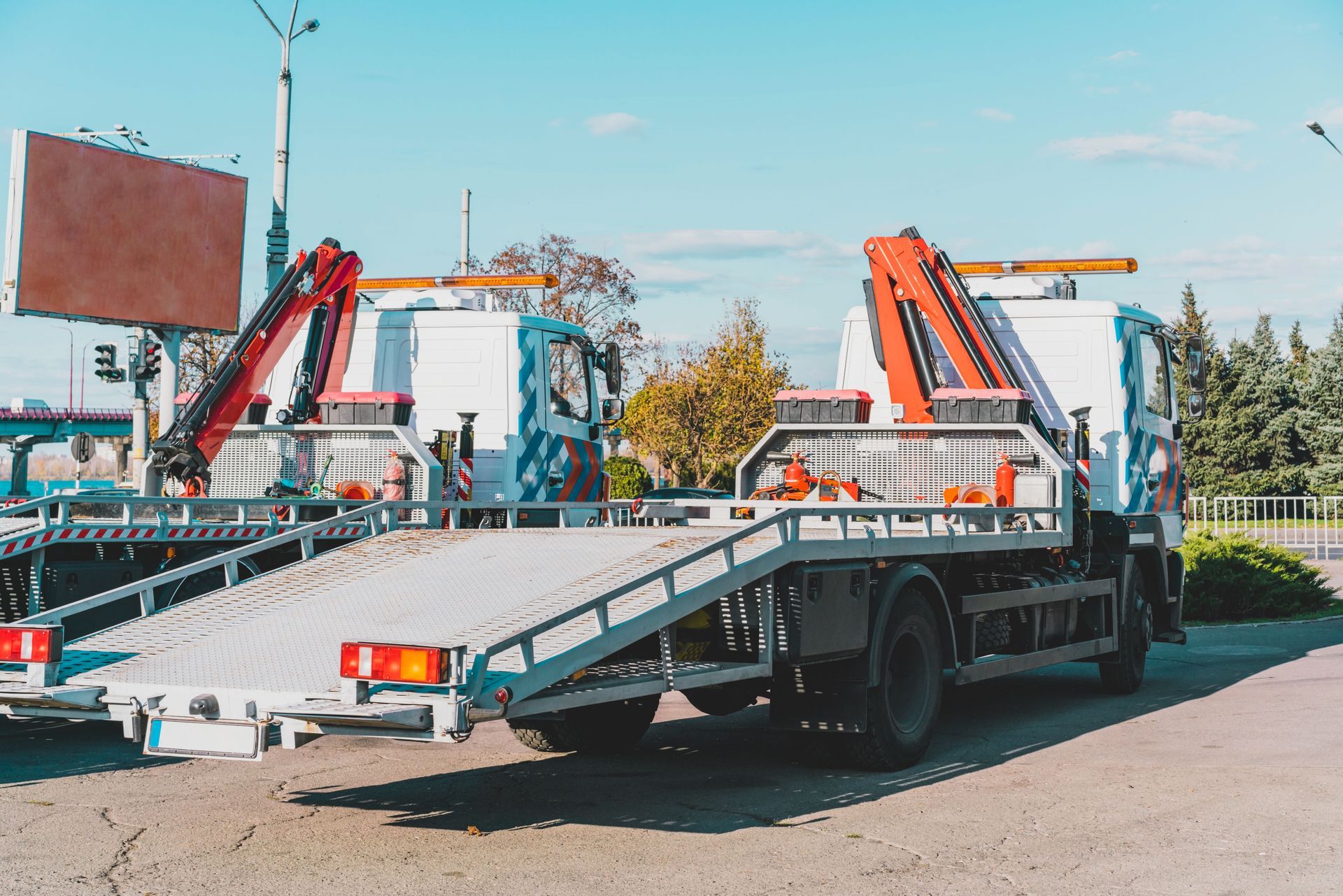
The right equipment allows towing operators to complete recoveries more efficiently. Heavy-duty tow trucks, hydraulic lifting systems, and specialized attachments help manage demanding jobs while reducing the likelihood of equipment failures or vehicle damage. Investing in appropriate commercial heavy duty towing equipment also supports dependable service for businesses that rely on commercial transportation.
When a commercial vehicle remains out of service, businesses may experience delivery delays, missed appointments, and lost revenue. Prompt access to properly equipped towing professionals helps limit these disruptions and supports a faster return to normal operations.
Equipment selection can also influence the total cost of a recovery. A towing vehicle with insufficient capacity may require additional resources or another service provider, increasing the time needed to resolve the problem. Matching equipment to the job from the beginning helps avoid unnecessary complications and keeps the process manageable.
Handling Different Recovery Situations
Heavy vehicles can become disabled on highways, at loading facilities, on construction sites, or along rural roads. Each setting presents challenges involving vehicle weight, available space, terrain, and access. Commercial heavy duty towing requires equipment that accommodates these conditions while maintaining control throughout the recovery process.
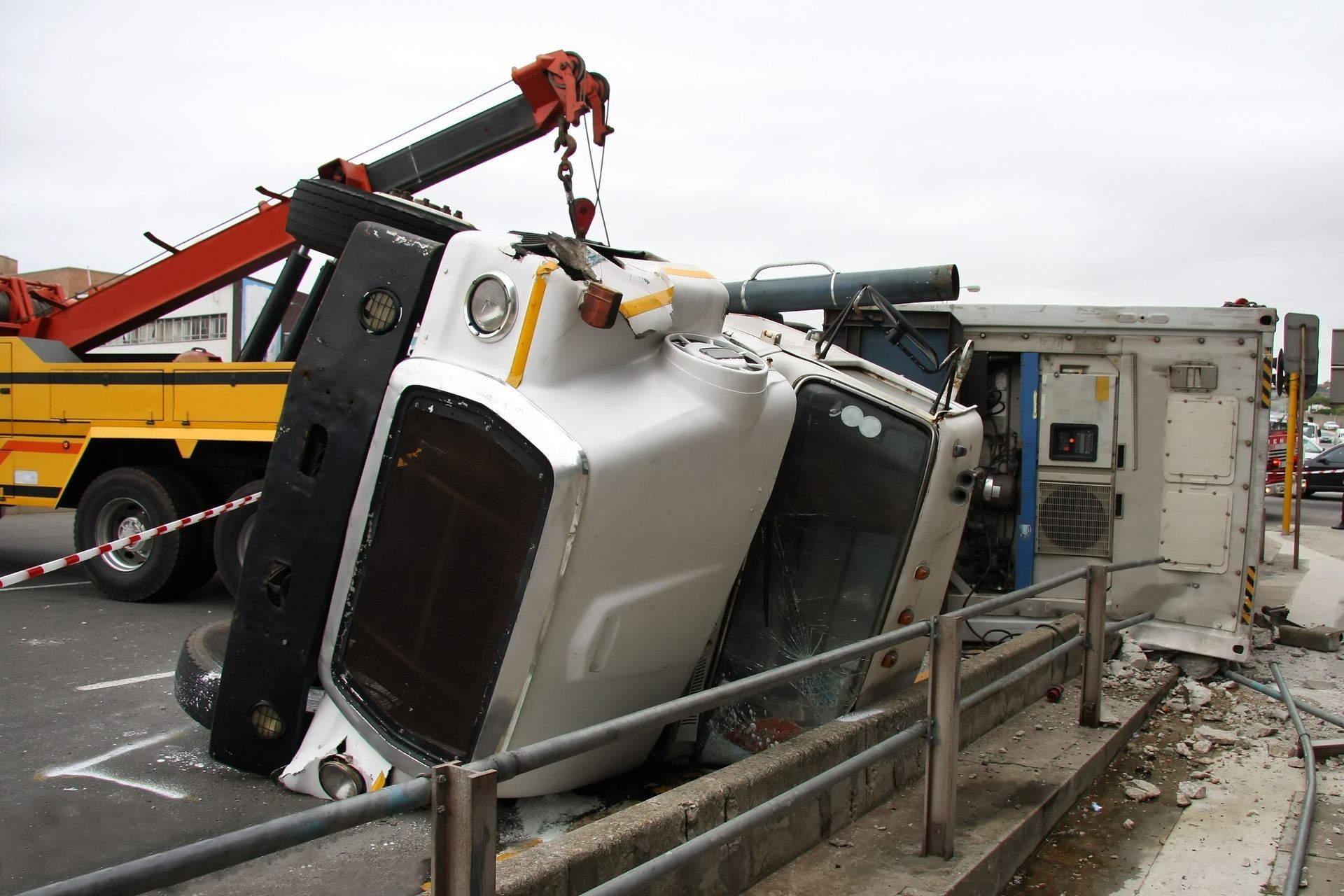
Specialized lifting and recovery systems help operators manage overturned vehicles, disabled tractor-trailers, and other complex situations. Weather conditions and traffic patterns can also affect the recovery. Experienced towing professionals evaluate the circumstances and choose suitable equipment and procedures for each job.
Access can be particularly challenging when a disabled truck is located in a confined parking area or alongside a busy highway. Operators must consider surrounding vehicles, road conditions, and available space before positioning their equipment. The appropriate towing configuration helps make the recovery more controlled while limiting disruptions to nearby traffic.
Protecting Vehicles During Transport
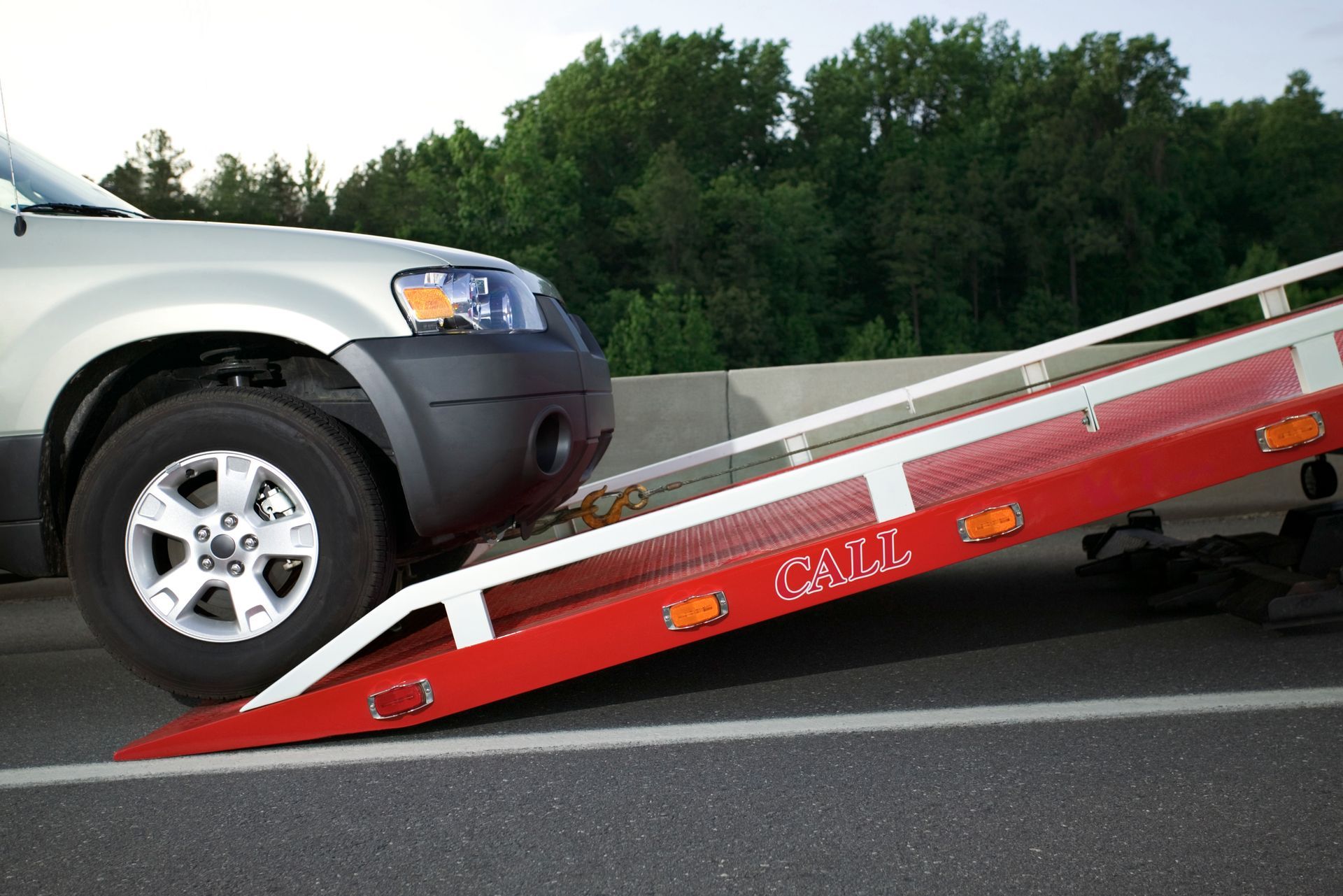
Preventing additional damage is another important reason to use specialized towing equipment. Improper attachment or uneven weight distribution can place excessive stress on vehicle components, potentially leading to costly repairs. Professional commercial heavy duty towing services use suitable lifting points, securement systems, and transport methods to help protect vehicles throughout the process.
Different vehicles require different handling techniques. A loaded tractor-trailer, commercial bus, and heavy construction vehicle each present distinct weight and structural considerations. Selecting equipment suited to the vehicle helps maintain stability and reduces the likelihood of damage during loading, recovery, and transportation.
Communication between the vehicle owner and towing provider can further support damage prevention. Information about the vehicle's condition, existing mechanical problems, and unusual loading circumstances helps operators plan the recovery and select appropriate equipment.
Supporting Long-Distance Transportation
Moving a heavy vehicle over long distances requires dependable equipment and careful route planning. Operators must consider vehicle dimensions, load security, road restrictions, and travel conditions before beginning the journey. Commercial heavy duty towing services use appropriate towing or hauling configurations to support safe transportation across extended routes.
Route selection can affect travel time and safety. Narrow roads, low bridges, construction zones, and weight-restricted routes may create challenges for heavy vehicles. Experienced towing professionals evaluate these conditions when planning a journey, helping reduce unexpected detours and delays.
Properly maintained equipment and secure load management are also essential during extended trips. Careful planning helps businesses transport disabled commercial vehicles while minimizing interruptions and maintaining predictable arrival times.
Choosing a Reliable Towing Provider
Selecting a towing company involves more than comparing response times. Businesses should consider whether the provider has suitable heavy-duty equipment, experienced operators, and the capacity to handle the vehicle involved. A qualified commercial heavy duty towing provider can explain available recovery options and identify the equipment needed for the situation.
Clear communication is essential when a commercial vehicle breaks down. Providing accurate information about the vehicle type, approximate weight, location, and nature of the problem helps the towing company prepare for the job. This information supports better equipment selection and can reduce delays once the operator arrives.
Businesses should also confirm that the provider has experience with their particular vehicle types. A company equipped for passenger cars may not have the capacity to handle a loaded semi-truck. Choosing a provider with appropriate equipment and relevant experience helps ensure the service meets the vehicle's recovery requirements.
Reliable communication and timely service are especially important when commercial vehicles break down far from their destination. A professional towing provider can explain the recovery process, provide updates, and coordinate transportation based on the vehicle's needs. These services help businesses manage unexpected disruptions and make informed decisions about getting their vehicles back on the road.
Recognizing When Specialized Towing Is Necessary
Not every disabled commercial vehicle can be moved safely using standard towing equipment. Severe mechanical failures, damaged wheels, overturned trailers, and vehicles stuck in difficult locations may require specialized recovery services. Recognizing these circumstances helps vehicle owners request appropriate assistance and avoid further damage.
Professional operators consider the vehicle's condition, breakdown location, and surrounding hazards before determining the recovery plan. Vehicle owners should communicate known concerns, including leaking fluids, unstable loads, or a truck positioned in an active traffic lane. These details help the towing team prepare suitable equipment and account for safety risks.
The right equipment makes a substantial difference in the safety, efficiency, and reliability of heavy-vehicle transportation. Properly equipped towing professionals can manage demanding recoveries, protect valuable vehicles, and help businesses minimize costly downtime. Choosing experienced commercial heavy duty towing specialists helps keep commercial transportation operations moving.
When a commercial truck or other heavy vehicle needs assistance, contact McCool Semi Repair & Roadside Services for professional support. Their team can help assess your situation and determine the appropriate service for your vehicle and roadside needs. Reach out to McCool Semi Repair & Roadside Services to discuss your towing requirements and get assistance when your vehicle cannot continue safely.