September 4, 2026
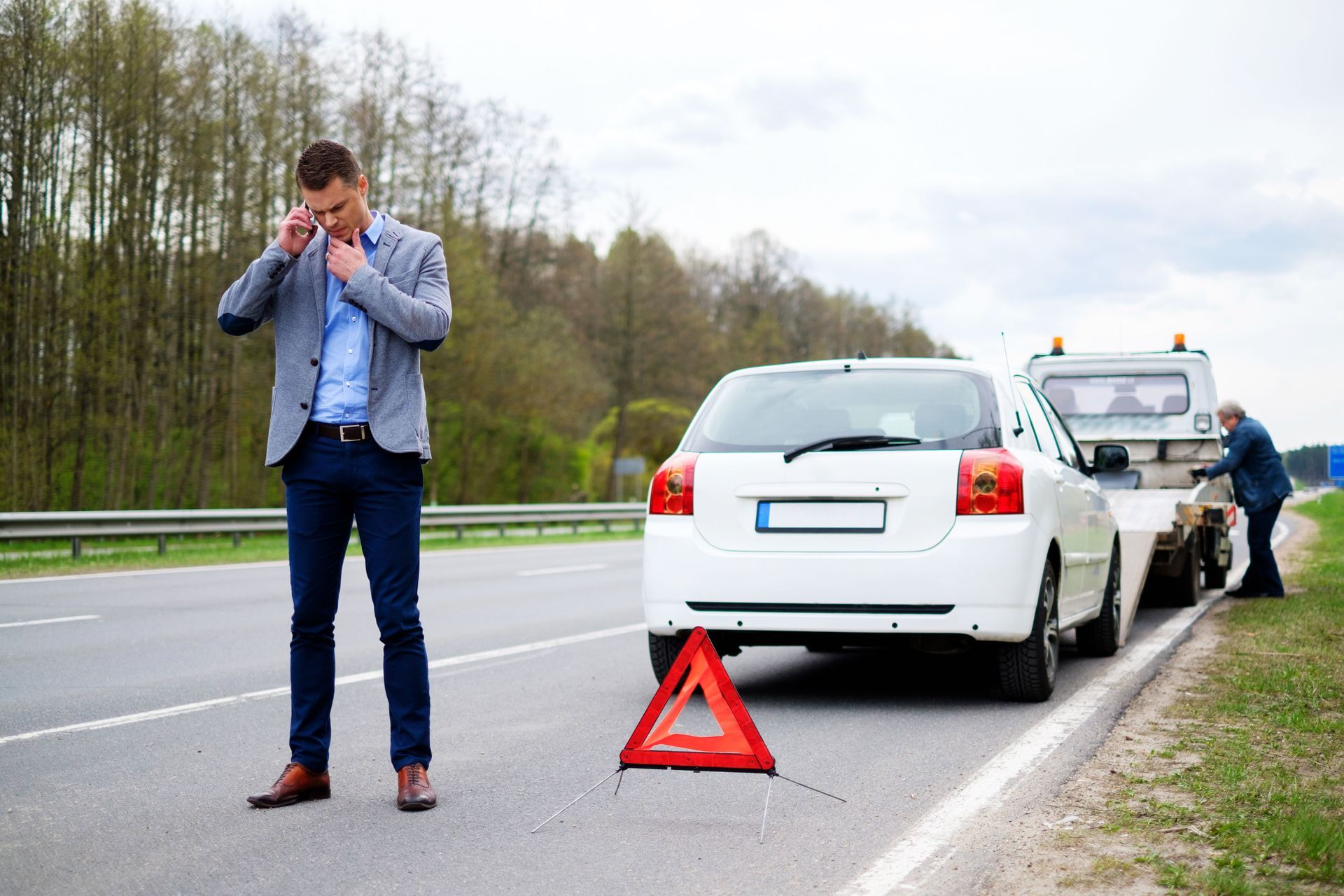
Vehicle trouble can happen at any time, whether you are driving to work, traveling on a busy highway, or heading home after a long day. A breakdown, flat tire, collision, or other unexpected roadside problem can leave you in an unsafe or stressful situation. Knowing how to choose the right emergency towing service can help you respond calmly and get the assistance you need without unnecessary delays. This article will explain what to look for, what questions to ask, and how to prepare before a roadside emergency happens.
Considering Availability
When your vehicle stops working unexpectedly, timing matters. A towing provider that is available around the clock can be a better choice when problems happen outside normal business hours. Emergencies do not always happen during the day, so it is helpful to know who you can contact during evenings, weekends, and holidays. Before choosing an emergency towing provider, check its stated hours of operation. Some companies offer assistance 24 hours a day, while others may have limited availability. Knowing these details ahead of time can help you avoid wasting time when you are already dealing with a vehicle problem.
It can also help to ask how calls are handled after regular business hours. You may want to know whether someone is available to respond directly or whether calls are handled through another system. Clear information about availability can make the process easier when you need help quickly. You should also consider whether the provider can handle urgent situations during busy periods. Holidays, severe weather, and major traffic incidents may increase demand for roadside assistance. Asking about typical availability during these situations can help you choose a provider that fits your needs. Keeping the contact information readily available can also save time when an unexpected problem occurs.
Checking Response Times
Response time is another important factor when choosing roadside assistance. Sitting beside a disabled vehicle can become uncomfortable or unsafe, especially on a busy road, during severe weather, or in an unfamiliar area. A provider that can respond promptly may help reduce the amount of time you spend waiting. Road conditions can also affect how quickly a towing provider reaches your location. According to Report Card, nearly $1.2 trillion is needed to repair all the roads and bridges in the United States by 2030. Damaged pavement, construction areas, congestion, and other roadway issues can make travel more difficult and may affect response times during a roadside emergency.
Ask potential providers how they handle urgent calls and whether they provide estimated arrival times. While exact timing can change because of traffic, weather, road conditions, and the number of calls being handled, a provider should be able to explain how response times are generally managed. Local knowledge may also affect how quickly help can reach you. A provider familiar with the surrounding roads and common traffic patterns may be able to locate your position more easily. When comparing emergency towing options, consider both availability and the ability to reach your area.
Reviewing Service Areas
Not every towing provider covers every location. Before an emergency occurs, check whether the company serves the roads and communities where you commonly drive. This is especially important if you regularly travel outside your immediate area. Look for clear information about service boundaries. If you frequently use highways, rural roads, or longer routes, ask whether assistance is available throughout those areas. Knowing the coverage area ahead of time can save valuable time during a breakdown. You should also provide your location as accurately as possible when requesting assistance. Road names, nearby landmarks, highway exits, mile markers, and other location details can help the towing provider find you. If you are unsure of your exact location, use available navigation information to provide the most useful details you can.
Evaluating Communication
Good communication can make a roadside emergency less stressful. When contacting a towing provider, pay attention to whether the information you receive is clear and easy to understand. You should be able to ask basic questions about arrival times, costs, location details, and what happens next. A provider should explain important information before assistance is dispatched. Ask about estimated charges and whether additional fees may apply based on distance, time, location, or the type of assistance required. Clear communication can help prevent surprises later. It is also useful to know how you will receive updates. Some providers may contact you by phone or text when assistance is on the way. Having a reliable communication process can help you stay informed while waiting.
Reviewing Pricing
Cost is an important part of choosing an emergency towing provider, but the lowest advertised price may not always represent the final cost. Pricing can depend on several factors, including distance, timing, vehicle size, and location. Ask for a general estimate before service begins. If there are possible additional charges, ask what could cause the price to change. This gives you a clearer idea of what to expect. Be cautious of unclear pricing information. A provider that explains its charges in straightforward language can make it easier for you to make an informed decision. Keep contact information for a few reputable local providers so you can compare options before an emergency occurs.
Checking Vehicle Handling
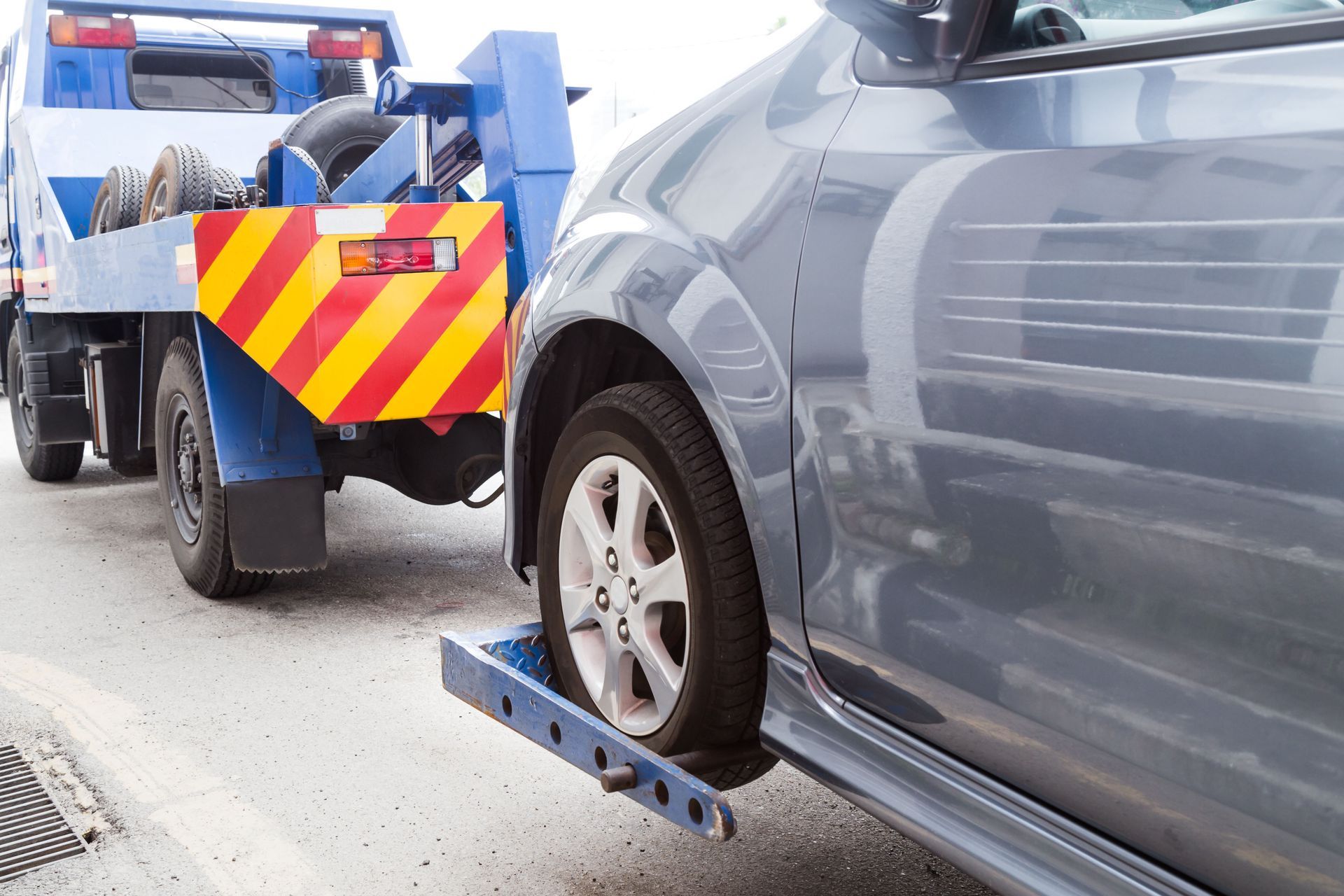
Different vehicles may require different towing methods. Cars, trucks, recreational vehicles, and larger vehicles can have different weight, size, and handling requirements. The towing provider should have the appropriate equipment and procedures for the type of vehicle involved. When selecting a provider, ask whether it can handle your vehicle's general size and type. This is especially important if you drive a larger vehicle or regularly tow equipment. Giving accurate vehicle information when calling can help the provider determine what resources may be needed. Proper vehicle handling also matters for protecting the vehicle during transportation. A qualified towing provider should follow appropriate procedures for securing and moving vehicles. Asking about these practices ahead of time can give you a better understanding of what to expect.
Reviewing Local Experience
A towing provider with experience serving the local area may be familiar with common roads, traffic patterns, and challenging locations. Local experience can be useful when assistance is needed in an unfamiliar part of town or along a busy roadway. Look for a company with a clear history of serving the communities where you drive and providing consistent roadside assistance. Reviews and general customer feedback can also provide useful information about communication, arrival times, and overall service experiences. Rather than focusing on a single review, look for repeated patterns in customer feedback. Consistent comments can provide a better picture of what you may experience when requesting assistance, especially during stressful or unexpected roadside situations.
Vehicle problems cannot always be predicted, but you can prepare for how you will respond. Keeping important contact information available, knowing your vehicle details, and understanding your roadside assistance options can help you make faster decisions. The right emergency towing provider should offer clear information about availability, service areas, pricing, communication, and vehicle handling. Taking time to review these factors before you need assistance can help you feel more prepared when an unexpected breakdown or roadway problem occurs. If you need emergency towing, contact McCool Semi Repair & Roadside Services for dependable roadside assistance when vehicle trouble leaves you stranded.