November 15, 2026
Vehicle trouble can interrupt a routine drive, a long trip, or a commercial delivery without much warning. When a trip is interrupted, the immediate question is what kind of help will address the problem. A flat tire, an empty fuel tank, and a disabled semi each call for a different response, even though all can leave a driver unable to continue.
A call for roadside service begins with an immediate need, but the work involved depends on the vehicle and its condition. Some interruptions can be addressed where the vehicle has stopped; others call for recovery or towing. Knowing what each response is intended to accomplish helps drivers understand the options being discussed. A driver may be able to continue after assistance, or the vehicle may need to be moved before the problem can be resolved.
Clear Information About the Situation
According to AAA, roughly 32% of drivers in the United States use roadside assistance one or more times annually. With that many drivers needing help, knowing what information to share is a practical part of preparing for an unexpected stop. A clear description begins with the vehicle's location and the problem preventing the trip from continuing. Those details help connect the request with the assistance needed, even when the driver does not know the cause.
An initial roadside service call should give a clear account of what the vehicle is doing and when the interruption occurred. The vehicle's size, whether it starts, and whether it is stuck or simply unable to continue can make a difference. Those observations describe the interruption without requiring the driver to identify its mechanical cause. For example, a truck that cannot start presents a different situation from one whose engine runs but whose tire is damaged.
Location also involves more than the name of a road. Nearby landmarks, the direction of travel, or an identifiable parking area can help explain where assistance is needed. A commercial driver should also identify the vehicle as a semi or tractor-trailer so its size is clear from the beginning. These details support a response suited to the situation without requiring the driver to diagnose or repair the vehicle.
Practical Help for Common Problems
Common problems often call for a specific kind of assistance. A jump start can help when a dead battery prevents a vehicle from starting, while fuel delivery addresses an empty tank. Lockout assistance restores access when the driver cannot get into the vehicle.
Understanding those purposes helps distinguish a straightforward assistance request from a problem that may require further evaluation.
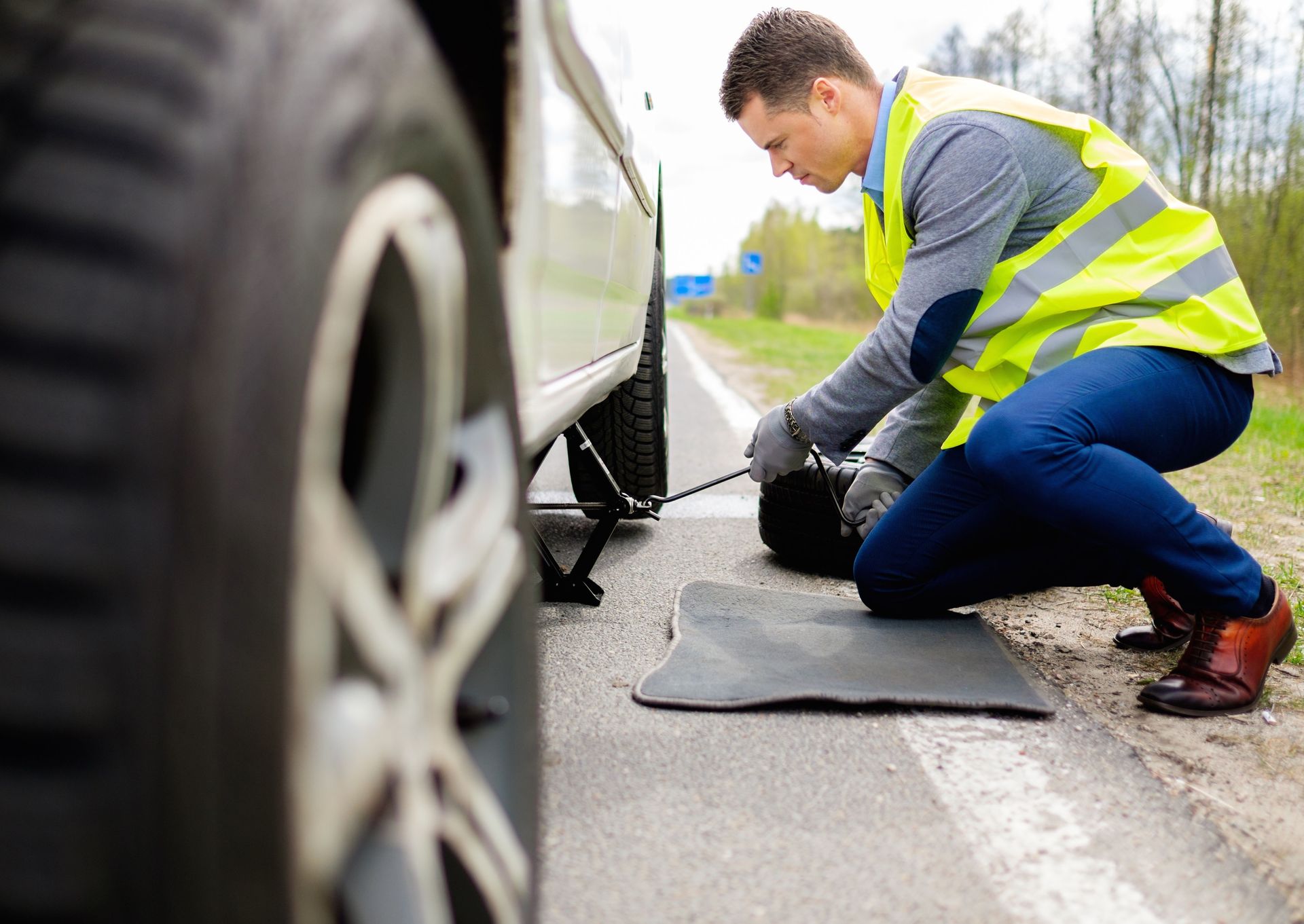
Flat tire assistance can involve a tire change or repair, depending on the damage and the vehicle involved. Tire size and type matter, particularly when comparing a passenger vehicle with a commercial truck. Professional help brings the work to the stopped vehicle when the circumstances allow it. The condition of the tire determines whether a repair is an option or a change is needed.
A useful roadside service visit should also leave the driver informed about the outcome. Starting the vehicle is one result; establishing whether a continuing problem needs attention is a separate question. If the vehicle still cannot continue, the discussion needs to move to the assistance that is appropriate next. Towing may be necessary when the issue cannot be addressed at the vehicle's location.
Assistance Matched to Commercial Vehicles
A semi breakdown involves considerations that may not apply to an ordinary passenger car. The vehicle's size affects the equipment needed, and a tractor-trailer may need assistance that accounts for both parts of the combination. A tire problem on the tractor, for example, is different from damage involving the trailer. A commercial driver should describe the affected part of the vehicle as clearly as possible, without assuming that every stoppage involves the engine.
For commercial drivers, roadside service may include mobile semi repairs, mobile welding, or attention to trailer refrigeration. A refrigeration concern can interrupt a delivery even when the tractor still runs, making it important to describe more than whether the truck starts. These capabilities allow the response to address more than tires, batteries, or vehicle transport. The work still depends on which equipment is affected and whether the problem can be addressed at the location.
Commercial schedules add pressure to a stoppage, especially when a delivery cannot continue. Some issues are suitable for mobile work, while others may require towing. The distinction should reflect the vehicle's condition and the work needed to address it. A realistic explanation of that limit is more useful than assuming every semi can return to its route after a single visit.
Recovery and Towing When the Vehicle Cannot Continue
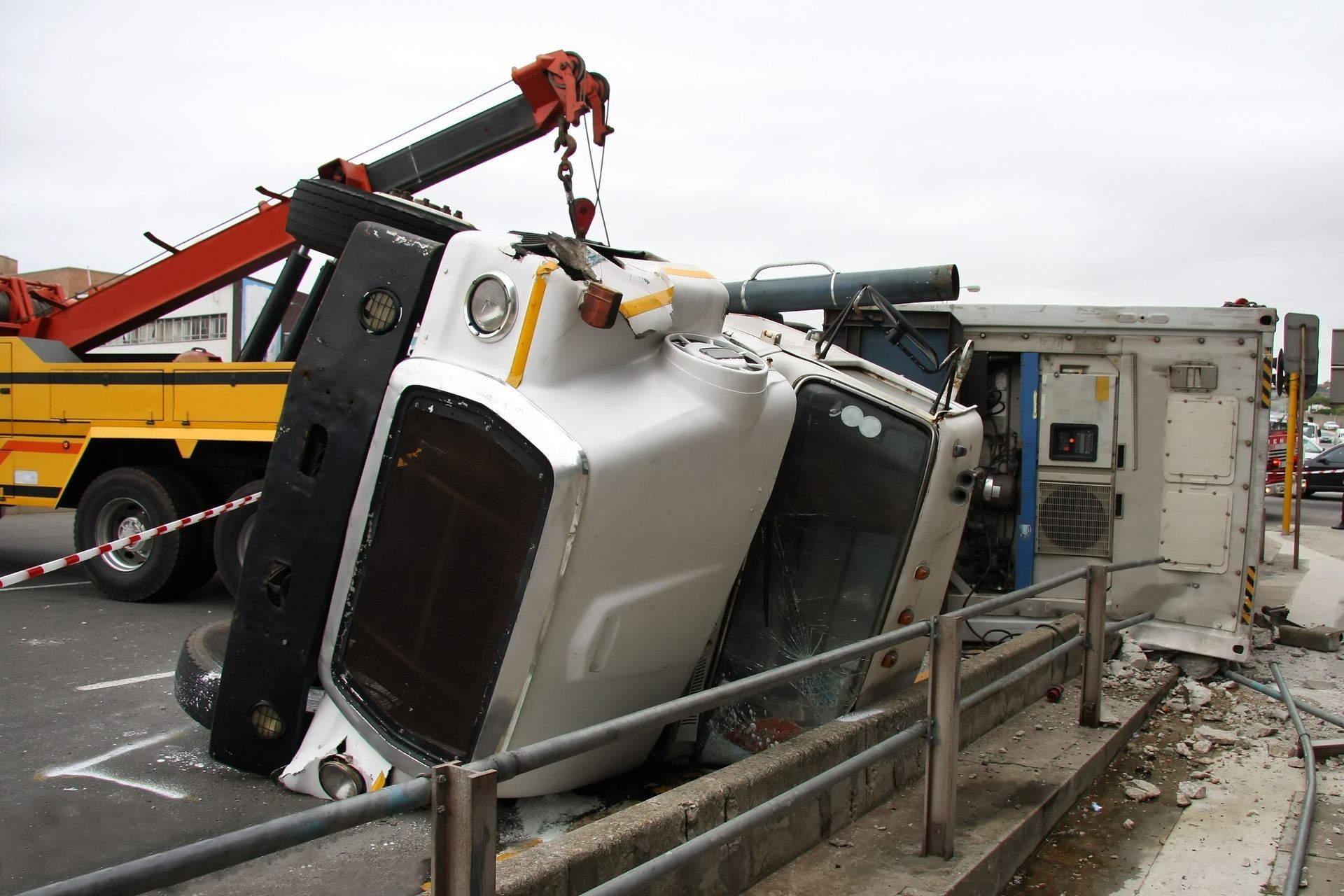
A vehicle's position can be just as important as its mechanical condition when assistance is requested. Winching can be relevant when a car or truck is caught in mud, snow, or a ditch. Accident recovery involves removing a vehicle after a collision. These situations call for attention to the vehicle's position and surroundings, alongside its size and condition.
Recovery and towing can be part of roadside service, but they serve distinct purposes. Getting a vehicle out of a difficult position does not automatically mean it is ready to be driven. Likewise, removing a vehicle from an accident scene may need to be followed by transport. Understanding the difference helps explain why assistance may involve more than one operation before the immediate situation is resolved.
The towing equipment must also suit the vehicle being moved.
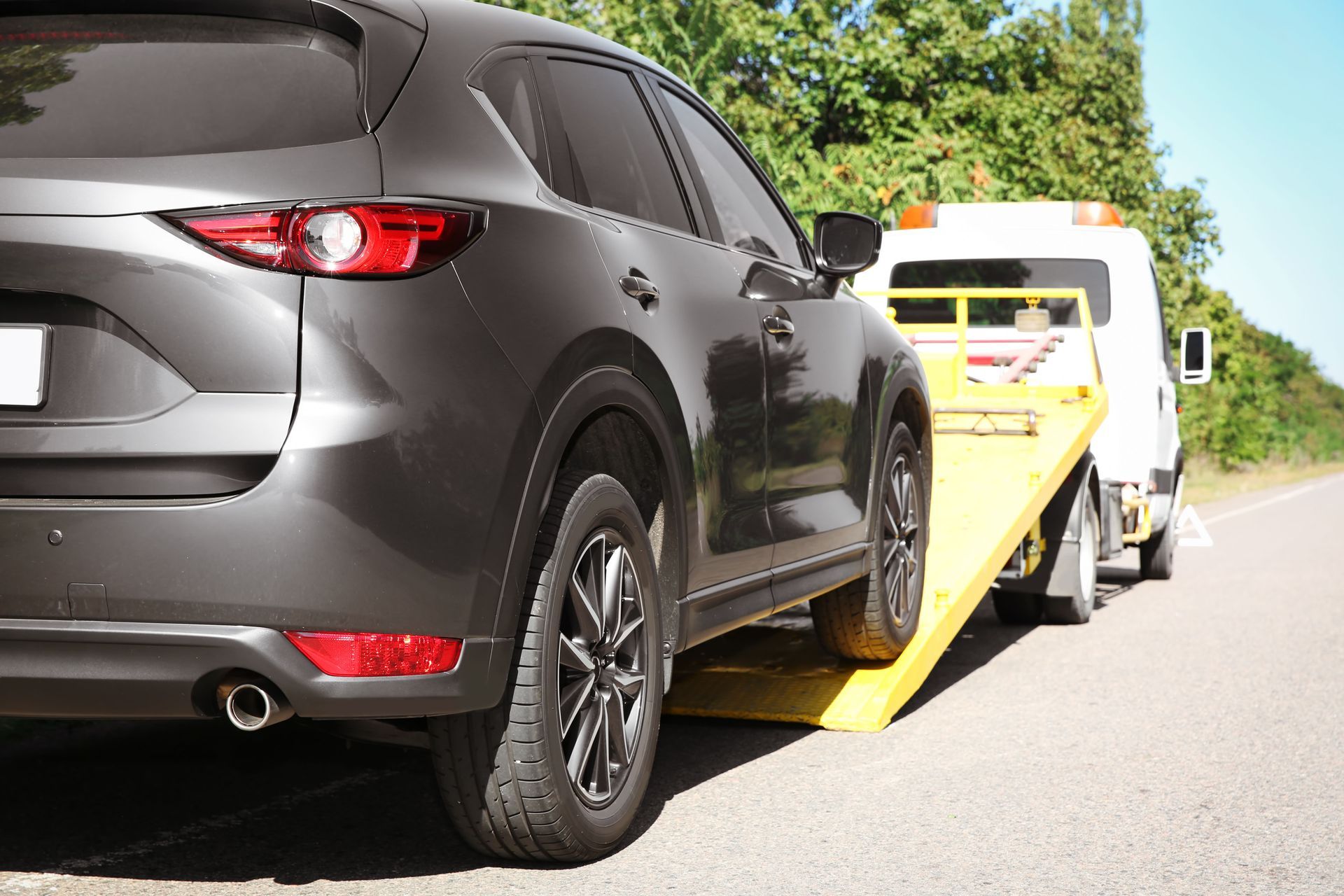
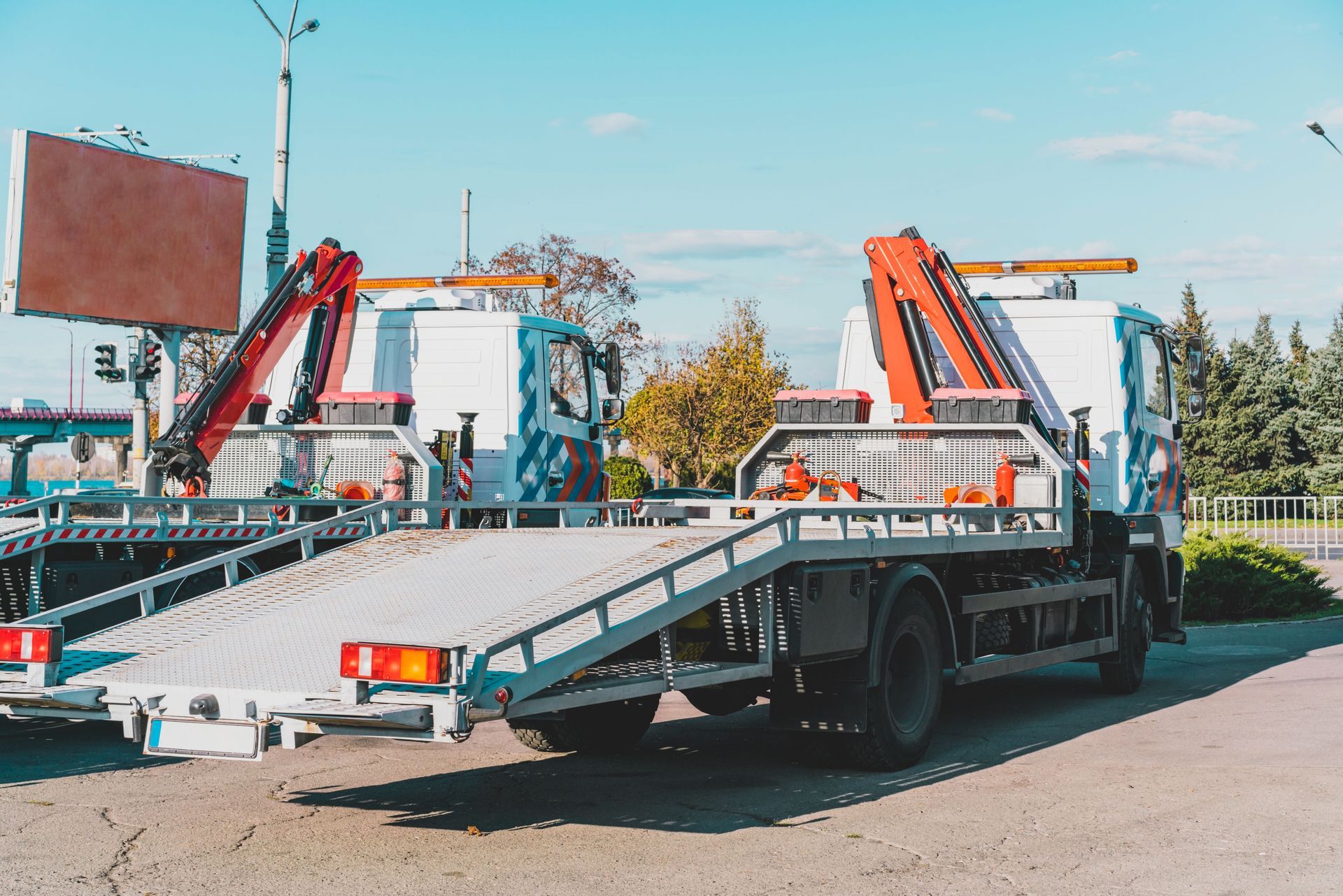
Passenger cars, RVs, and semi-trucks do not all present the same transport requirements, and options can include flatbed, wheel-lift, or heavy-duty towing. The appropriate method depends on the vehicle and the situation rather than a preference for one method in every case. Before transport, the destination should be understood so the driver knows where the vehicle will be taken.
Realistic Expectations About Availability and Progress
Breakdowns do not follow business hours, which makes round-the-clock assistance relevant to both private drivers and commercial operators. Access to help at night or on a weekend can matter just as much as access during the working day. However, availability and arrival are different parts of the experience. Travel distance, road conditions, and the equipment required can affect how soon assistance reaches a particular vehicle.
With roadside service, clear communication should help distinguish an expected arrival from the time needed to complete the work. A tire problem and a difficult recovery do not involve identical tasks, even if help arrives equally quickly. Conditions discovered at the vehicle can also affect the next step. Asking what can reasonably be addressed at the location helps keep the expectation tied to the actual job.
The end of a visit should come with an understandable explanation of what assistance was performed. If the vehicle still needs attention, that remaining issue should be clear rather than hidden behind the fact that help has arrived. A tow changes the immediate goal from continuing the trip to moving the vehicle to its destination. Understanding that change helps the driver make practical arrangements for the interrupted journey.
Vehicle trouble is easier to manage when the driver understands what the response can accomplish. An explanation of the next step also helps drivers adjust their plans when the original trip has to wait. At McCool Semi Repair & Roadside Services, we provide mobile assistance, semi repairs, recovery, and towing for the situations that leave drivers unable to continue. Contact us to describe your vehicle's condition and discuss the assistance needed.