November 19, 2026
A sudden vehicle breakdown or fender-bender on a crowded highway transforms an ordinary commute into an immediate crisis. In moments of heightened vulnerability, the temptation to tap the first roadside phone number on your smartphone screen is overwhelming. Unfortunately, scrambling to resolve an emergency without a plan often leads to exorbitant hidden fees, sluggish arrival times, and accidental damage to your vehicle. Finding a reliable towing service before disaster strikes is the best way to safeguard your vehicle and your wallet.
Rather than gambling with an unknown operator while stranded on an unlit shoulder, smart motorists proactively evaluate dispatch efficiency, equipment standards, and legal safeguards. Navigating the modern roadside landscape requires asking targeted questions about availability, licensing, transparent rates, and equipment compatibility. Knowing what credentials and operational procedures to prioritize ensures your automobile is transported securely, effectively, and without unnecessary financial strain.
Assess Response Times and 24/7 Availability
Emergencies rarely align with convenient business hours. A shredded tire, a fried alternator, or an engine failure can happen just as easily at 2:00 AM on a rainy holiday as during a routine Tuesday afternoon commute. When vetting a roadside service, your primary focus must be round-the-clock availability backed by a live dispatching infrastructure. Many operators advertise 24/7 coverage, yet their lines route directly to an unattended voicemail during off-peak hours.
A professional operator provides realistic arrival windows rather than promising an immediate towing dispatch they cannot fulfill. In our experience, industry standards for dispatch arrival in suburban and urban zones typically hover between thirty and forty-five minutes, barring extreme blizzards or severe multi-lane pileups. Ask prospective providers about their fleet size and whether they maintain a direct dispatch center or rely on third-party broker networks. A direct line to an active dispatcher means you receive real-time tracking updates, accurate arrival estimates, and immediate reassurance when stranded in unfamiliar or hazardous surroundings.
Verify Licensing, Insurance, and Industry Certifications
Handing over the keys to a vehicle demands strict verification of legal compliance and operational credentials. Municipalities and state departments of transportation require legitimate operators to hold commercial licenses and display valid identification numbers on their trucks. More importantly, you must confirm that the company maintains comprehensive insurance protection. Standard commercial auto liability only covers third-party damage in a collision; it does not protect your vehicle while it is loaded onto a truck or hoisted onto a lift.
Never release your keys without verifying adequate on-hook coverage and legitimate towing certification. On-hook insurance specifically covers physical damage to your car while it is hooked, winched, or transported. Beyond insurance policies, prioritize outfits whose operators hold recognized credentials. These voluntary credentials demonstrate that the crew understands load dynamics, modern hybrid-vehicle handling, and secure tie-down protocols.
Examine Fleet Equipment and Service Capabilities
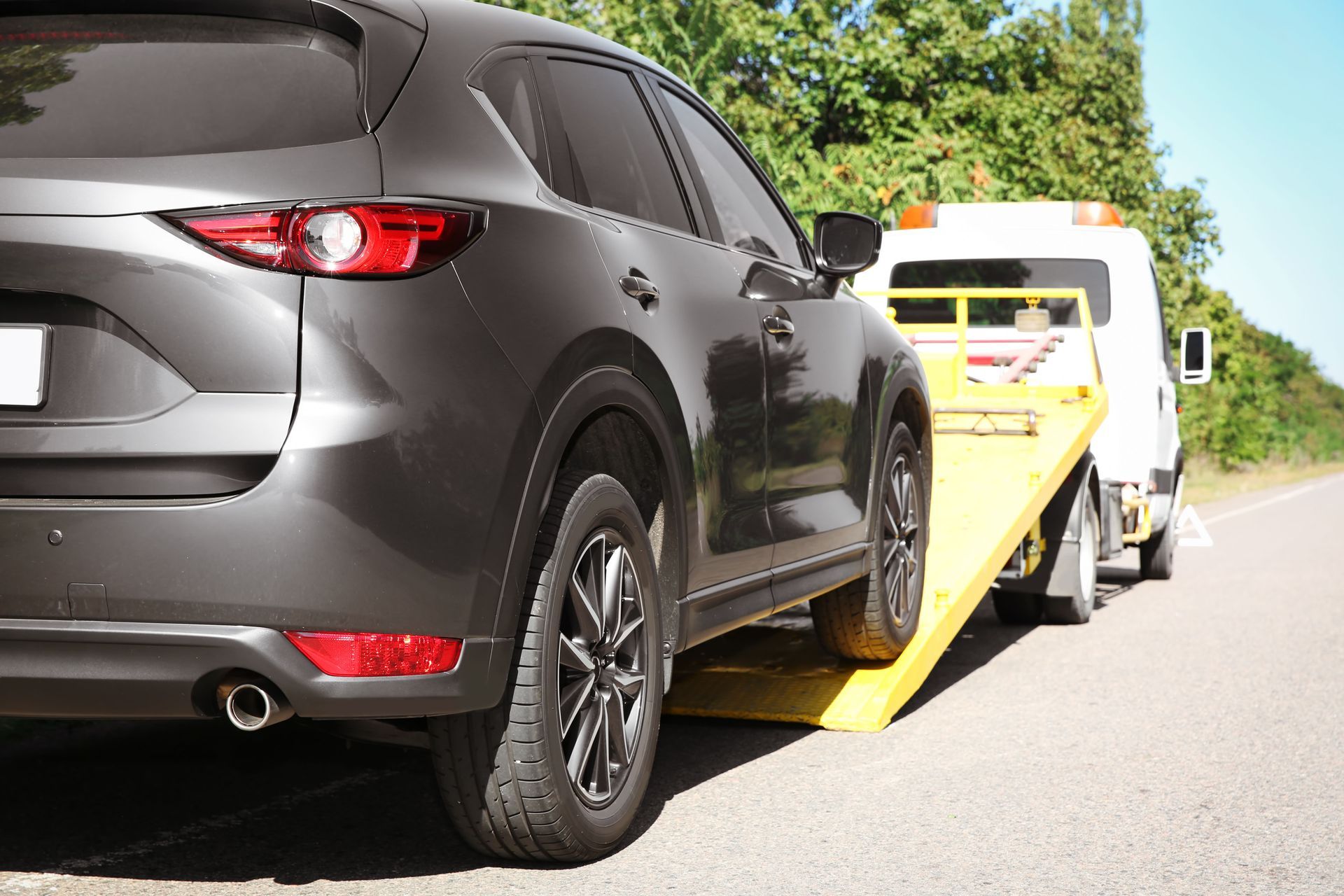
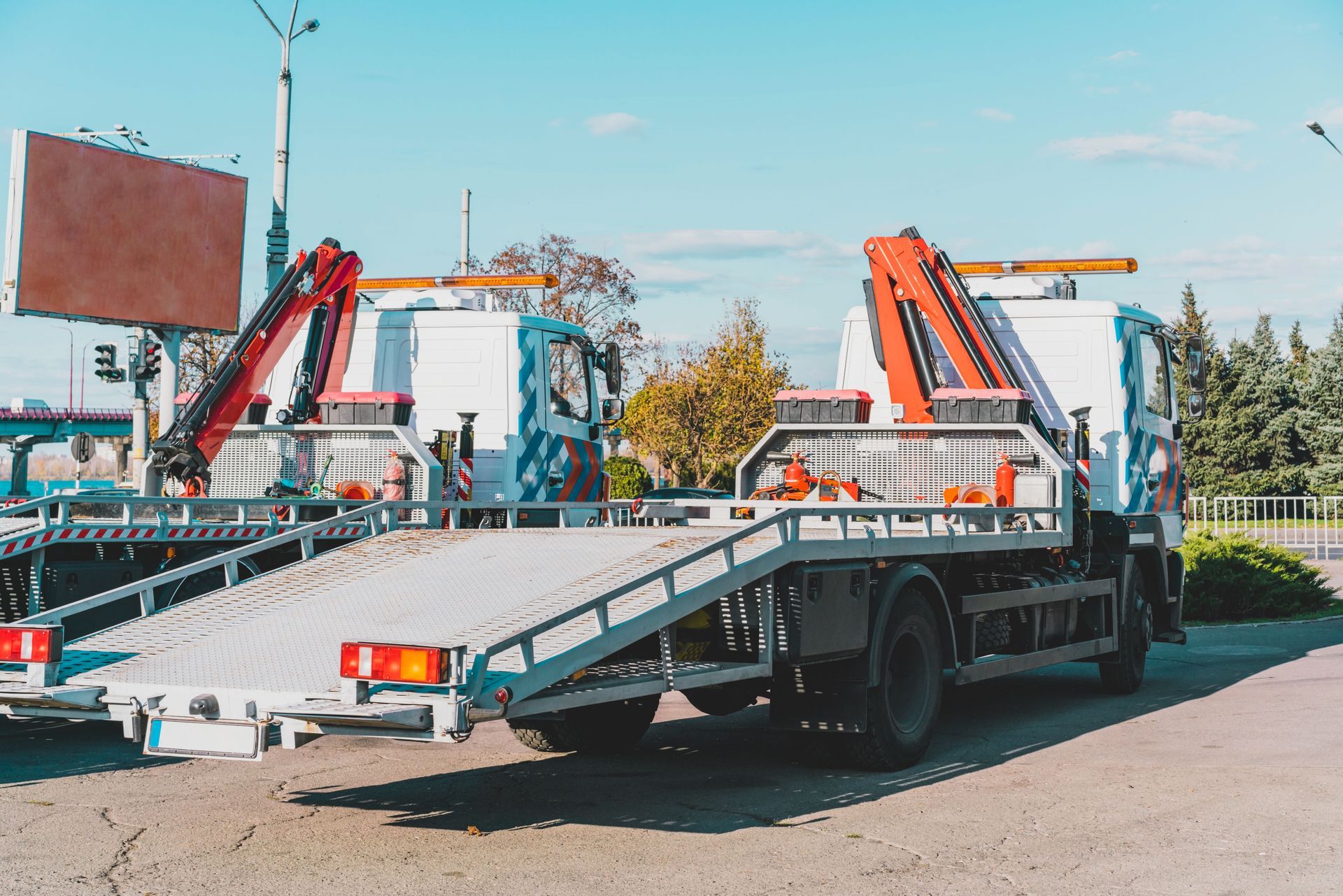
Automotive engineering has changed dramatically over recent years, making specialized equipment essential for damage-free recovery. Traditional hook-and-chain trucks, which lift vehicles by the bumper or axle, are obsolete for modern passenger cars and can cause severe structural, suspension, or body damage. Contemporary roadside operations rely heavily on hydraulic flatbeds and advanced wheel-lift systems. Using the wrong platform can ruin a drivetrain, making modern flatbed towing vital for all-wheel-drive vehicles.
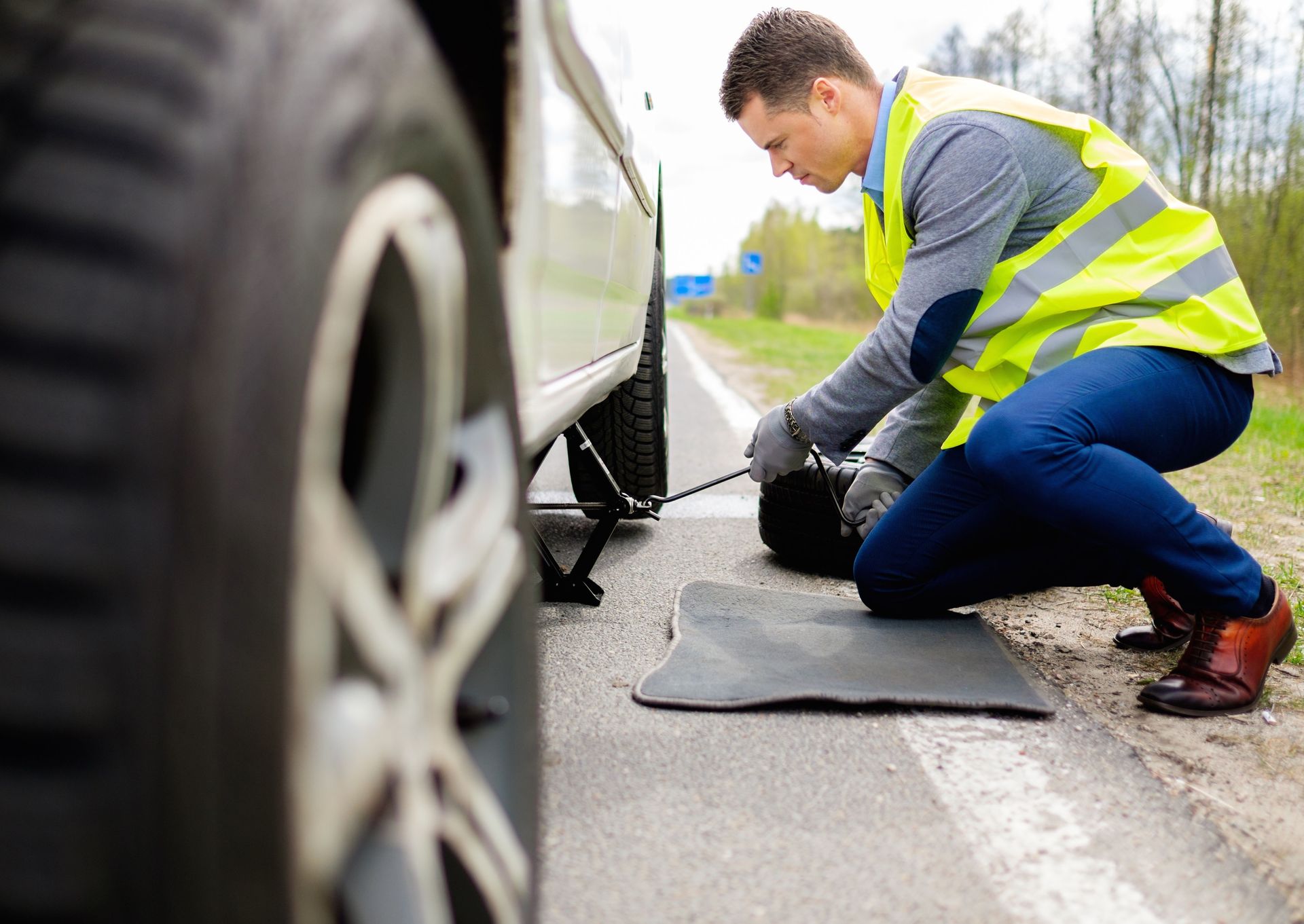
A comprehensive roadside provider should also feature light-duty utility vehicles equipped for ancillary roadside problems:
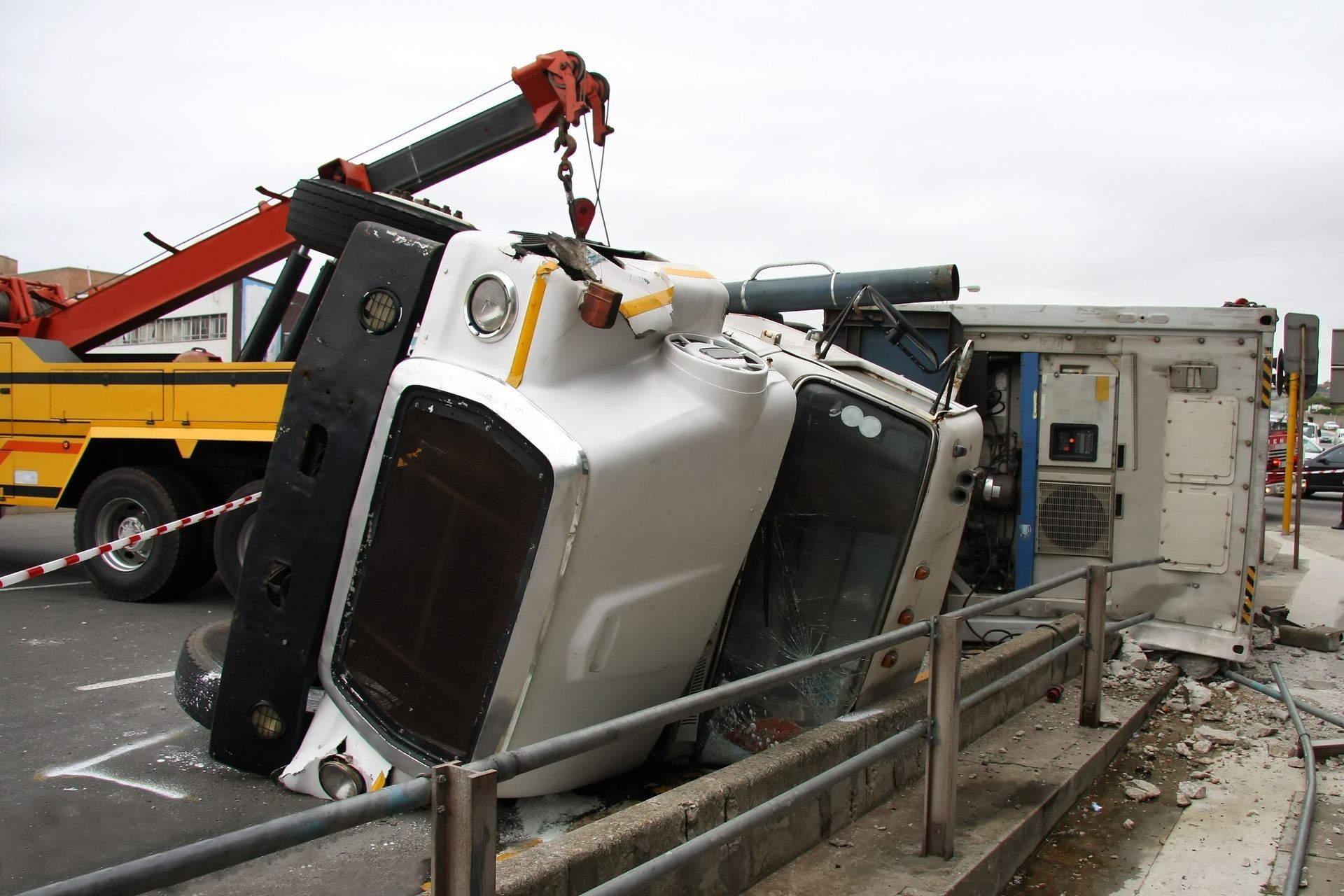
- Heavy-duty mobile winch cables designed for steep embankment or mud recovery
- High-output battery jump packs suitable for large trucks and start-stop systems
- Lockout entry tools that bypass electronic door latches without scratching paint or bending frames
- Clean fuel delivery cans designed to safely dispense diesel or unleaded gasoline roadside
When all four wheels cannot spin freely without destroying internal transfer cases or differential gears, a flatbed that carries the vehicle entirely off the ground is mandatory. Similarly, vehicles with ultra-low ground clearance or compromised suspension require specialized ramp extensions to prevent bumper scraping.
Review Pricing Transparency and Hidden Surcharges
The roadside recovery industry has long suffered from predatory pricing tactics deployed by disreputable operators targeting distressed motorists. When calling for transport, demand a complete, itemized rate breakdown upfront before authorizing the vehicle hookup. A standard invoice consists of two primary baseline charges: a flat hookup fee (the base cost to dispatch the truck and secure the vehicle) and a mileage rate (a fixed fee per mile traveled from pickup to destination).
Predatory operators often mask additional fees behind intentionally vague quotes, only to present an astronomical bill upon arrival at the impound yard or repair facility. Reputable operators publish flat hookup rates and clear mileage fees before dispatching towing personnel. Clarify whether the quote includes after-hours premiums, winching fees, administrative processing surcharges, or drop fees for releasing the car at your preferred mechanic.
Demand Verified Local Reputation and Reviews
A company's marketing promises mean little if their real-world service track record is plagued by customer disputes, damaged rims, and late arrivals. Before locking a contact into your mobile phone, spend fifteen minutes evaluating independent consumer feedback across platforms like Google Maps, the Better Business Bureau, and local motoring forums. Look beyond simple five-star ratings and read specific narrative reviews discussing how operators handle complications. Customer reviews offer unvarnished insight into driver courtesy, equipment cleanliness, and overall towing reliability.
Pay close attention to how management responds to critical reviews; an accountable provider offers constructive solutions when mishaps happen rather than deflecting blame onto the vehicle owner. Furthermore, prioritize locally owned and operated companies rooted in your municipal area. Independent local companies value their community standing far more than anonymous digital aggregators or third-party dispatch apps that farm out calls to the lowest unvetted bidder.
Evaluate Preventative Maintenance and Vehicle Care
While knowing how to secure dependable roadside assistance is essential, avoiding the emergency shoulder entirely remains the ultimate objective for every driver. The vast majority of catastrophic roadside failures stem from deferred routine maintenance rather than sudden, unpreventable road hazards. Worn serpentine belts snap under highway acceleration, neglected cooling systems rupture under peak summer heat, and aging batteries fail without warning in sub-zero winter temperatures.
According to CarCare, following scheduled maintenance routines allows personal vehicles to reach beyond 200,000 miles while preventing major mechanical breakdowns. Conducting monthly checks of tire pressure, tread wear, oil viscosity, coolant levels, and brake pad thickness drastically lowers your odds of experiencing a mechanical crisis in heavy traffic. Diligent preventative maintenance remains your front line of defense against unexpected roadside breakdowns and emergency towing calls. Partnering with a skilled mechanic for seasonal inspections guarantees that minor component wear is resolved inside a comfortable repair bay rather than on the shoulder of an interstate.
A vehicular breakdown is one of the most frustrating interruptions any motorist can face, but the stress diminishes when you have a proven recovery plan in place. By taking the time to evaluate round-the-clock availability, inspect specialized fleet capabilities, verify on-hook insurance coverage, and confirm upfront pricing, you ensure that any unexpected mechanical mishap is resolved safely and professionally. Taking a few minutes to vet a trusted provider today ensures that your next
towing experience is safe, stress-free, and fairly priced.
Do not wait until you are stranded on the shoulder of the highway to search for a team you can trust. Contact McCool Semi Repair & Roadside Services today to learn more about our 24/7 roadside recovery solutions, transparent pricing, and rapid response fleet. Save our direct dispatch number in your phone right now so we're ready to assist you the moment you need dependable help.