November 23, 2026
Commercial rigs play an essential role in logistics and supply chains, transporting goods across long distances and keeping businesses operating efficiently. However, mechanical failures, accidents, and roadside breakdowns can interrupt operations and make towing necessary. When an emergency occurs, choosing the cheapest available service may seem like a practical way to control expenses. Unfortunately, cutting corners during towing can expose commercial vehicles to additional damage, costly repairs, and extended downtime. Understanding the risks of inexpensive towing options can help fleet operators protect their investments.
Inadequate Equipment and Towing Capacity
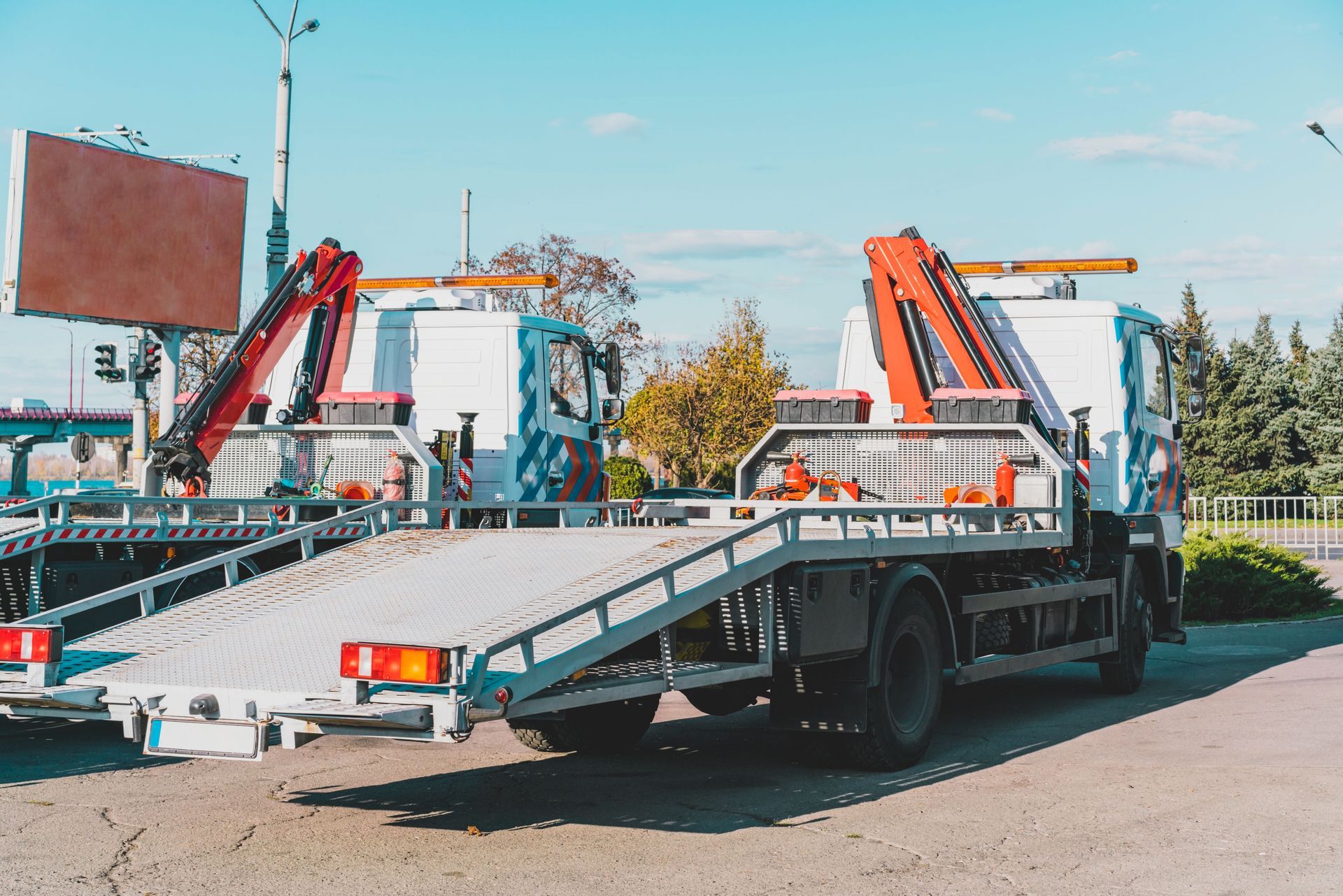
One of the biggest problems with inexpensive towing providers is their lack of appropriate equipment. Commercial rigs are considerably heavier and more complex than standard passenger vehicles, requiring equipment designed to handle substantial weight. Providers without proper trucks, recovery tools, and lifting systems may struggle to transport these vehicles safely. Using equipment with insufficient towing capacity can place excessive stress on the rig and increase the likelihood of mechanical or structural damage.
Improper attachment techniques create additional risks. Incorrectly securing a commercial vehicle can put pressure on its frame, axles, suspension, or other components. If towing equipment is not positioned correctly, the vehicle may shift during transportation, potentially damaging both the rig and its cargo. Heavy duty towing services should include equipment and procedures appropriate for the vehicle's size, weight, and condition.
Modern equipment also contributes to safer recovery operations. Proper winches, hydraulic systems, and lifting equipment allow technicians to manage difficult roadside situations with greater control. Budget providers may lack access to these resources, increasing the possibility of mistakes. Choosing a properly equipped company that offers heavy duty towing services helps reduce unnecessary strain on commercial vehicles.
Inexperienced Operators and Unsafe Practices
Operating commercial towing equipment requires knowledge of vehicle weight distribution, recovery techniques, and safety procedures. Inexperienced operators may not understand how different rig configurations affect towing requirements. Without adequate preparation, they can make mistakes when connecting equipment, securing loads, or positioning vehicles for transportation. These errors may cause damage that could have been prevented with proper handling.
Safety procedures are equally important. Commercial vehicle recovery often takes place near active roadways, in poor weather, or in locations with limited visibility. Operators must understand how to establish safe working areas, communicate with personnel, and manage traffic-related hazards. Cheap towing providers that prioritize speed over proper procedures may overlook important precautions, putting drivers, technicians, and other motorists at risk.
Experienced personnel are also better prepared to respond when unexpected problems arise. A vehicle stuck in mud, positioned on uneven ground, or involved in a roadside collision may require a different recovery approach than a routine breakdown. Qualified technicians can evaluate the situation and determine an appropriate course of action. Heavy duty towing services provided by knowledgeable operators help minimize complications and protect valuable commercial equipment.
Insufficient Insurance and Regulatory Compliance
Low-cost towing providers may create financial and legal problems when they fail to maintain appropriate insurance coverage or follow industry requirements. Commercial rigs represent significant investments, and transporting them creates potential liability for damage to the vehicle, cargo, and surrounding property. If a towing company does not carry adequate coverage, owners may have limited options for recovering their losses after an incident.
Insurance details should be reviewed before selecting a provider. Fleet operators should understand what the company's policy covers, whether cargo protection is included, and what exclusions or limitations apply. A low initial price offers little value if the service cannot provide adequate financial protection when something goes wrong.
Regulatory compliance is another important consideration. Towing companies must meet applicable licensing, equipment, and operational requirements. Providers that neglect these responsibilities can expose commercial vehicle owners to additional complications, including disputes, delays, and legal liabilities. Choosing a reputable company with appropriate credentials and insurance helps reduce these concerns.
Increased Mechanical and Structural Damage
Improper towing techniques can cause significant damage to commercial rigs. Axles, tires, transmissions, and suspension systems may experience unnecessary strain when a vehicle is transported incorrectly. Depending on the vehicle's configuration and recovery method, improper towing can also affect driveline components. Repairs involving these parts can become expensive, particularly when multiple components are affected.
Structural damage is another concern. Incorrect attachment points or uneven weight distribution can place pressure on the frame and other supporting structures. This may result in bends, cracks, or alignment problems that affect the vehicle's handling and reliability. Cargo can also shift during transportation if the rig is not secured properly, creating additional damage and safety concerns.
Even seemingly minor damage deserves attention. Scratches, dents, and damaged exterior components can expose surfaces to moisture and corrosion. When these problems go unnoticed, they may develop into more extensive repairs. Professional heavy duty towing services use appropriate recovery methods to reduce unnecessary pressure on vehicle components and limit preventable damage.
Hidden Expenses and Operational Delays
The initial savings associated with cheap towing can quickly disappear when additional expenses arise. Damage caused during transportation may require mechanical repairs, replacement parts, and inspections. Some problems may not become apparent until the vehicle returns to service, making it difficult to identify the original cause. These unexpected expenses can place considerable pressure on fleet maintenance budgets.
Downtime can be even more costly. When a commercial rig is unavailable, scheduled deliveries may be delayed, customers may experience disruptions, and other fleet vehicles may need to cover additional work. For businesses that depend on consistent transportation schedules, even a short interruption can affect productivity and revenue.
Repeated mechanical problems can also reduce a vehicle's resale value and shorten its useful service life. The costs of additional repairs, lost operating time, and diminished equipment value can eventually exceed the amount saved by choosing a cheaper towing provider.
Reliable roadside support is an important part of keeping commercial transportation operations moving. According to Fortune Business Insights, the U.S. roadside assistance market size was valued at USD 5.88 billion in 2021. This figure reflects the substantial demand for roadside support and the importance of dependable services when drivers encounter unexpected vehicle problems. Investing in quality heavy duty towing services can help businesses manage roadside emergencies without creating additional operational challenges.
Professional Towing Services Benefits
Choosing a reputable towing provider offers several advantages for commercial vehicle owners. Proper equipment, trained operators, and established safety procedures help protect rigs during recovery and transportation. Professional providers use appropriate towing and recovery systems based on the vehicle's weight, configuration, and location.
Professional handling also helps reduce unnecessary wear on important mechanical components. Technicians who understand commercial vehicle recovery can select suitable attachment points, distribute weight appropriately, and prevent shifting during transportation. These practices help preserve the vehicle's condition and reduce the likelihood of additional repairs.
Dependability is another important benefit. Commercial drivers need roadside assistance when unexpected problems interrupt their routes. A reliable provider can help coordinate recovery, communicate important details, and transport disabled vehicles to an appropriate repair facility. Heavy duty towing services are particularly valuable when dealing with large rigs that cannot be handled safely by standard towing equipment.
Although professional towing may involve a higher upfront expense, the potential savings can make it a worthwhile investment. Avoiding preventable damage, reducing downtime, and maintaining vehicle condition all contribute to better long-term fleet management. Working with an established provider that offers a heavy duty towing service also gives fleet operators greater confidence when roadside emergencies occur.
Prioritizing professional equipment, experienced personnel, and dependable roadside support helps commercial vehicle owners protect their fleets and maintain productivity. When a breakdown or roadside emergency occurs, working with a trusted provider makes a meaningful difference. Contact McCool Semi Repair & Roadside Services to learn more about dependable towing and roadside assistance options for commercial vehicles. Choosing the right support can help keep rigs protected and businesses moving.